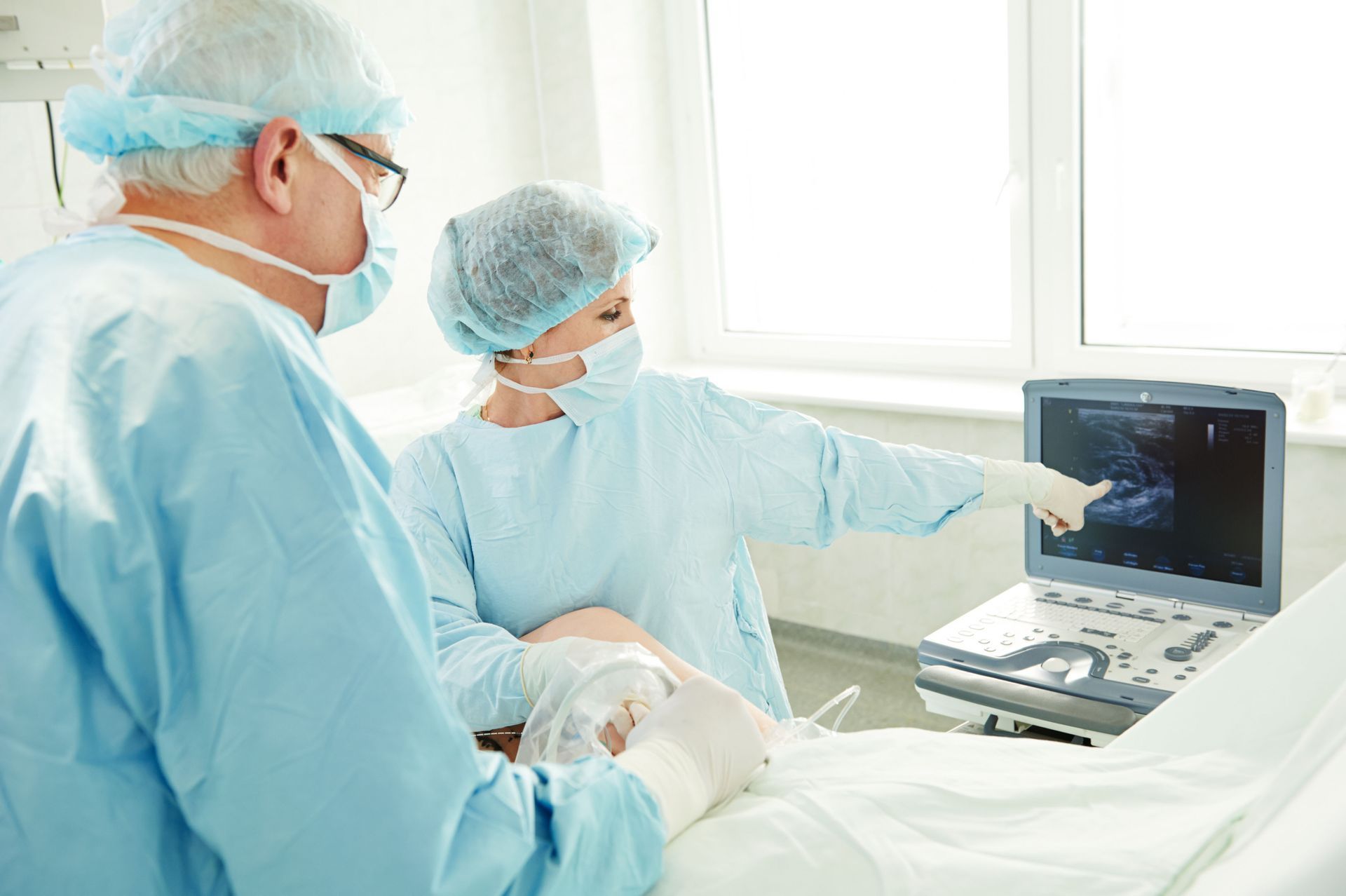
Heavy, swollen legs can make ordinary activities uncomfortable. Some people notice tightness around their ankles after work, while others experience aching, visible veins, or swelling that returns each evening. Although these symptoms sometimes have temporary explanations, they can also point to a circulation problem that deserves medical attention. At Sun Vein & Vascular, we believe patients should understand what their symptoms may mean and when professional evaluation is appropriate. Our goal is to help people make informed decisions about their vascular health without assuming that every episode of leg discomfort has the same cause. A visit to a vascular clinic can help determine whether symptoms originate in the veins, arteries, lymphatic system, or another part of the body. Understanding Why Legs Feel Heavy or Swollen How Healthy Leg Circulation Works Arteries deliver oxygen-rich blood from the heart to the legs, while veins carry blood back toward the heart. Small valves inside many leg veins help keep blood moving upward against gravity. The calf muscles also assist this process during movement. When vein valves do not close properly, blood can flow backward and collect in the lower legs. This increases pressure inside the veins and may contribute to aching, heaviness, and swelling. However, not every case of swelling is caused by vein disease. Understanding the difference requires a careful clinical assessment. How Leg Symptoms Can Develop Leg heaviness may follow prolonged standing, sitting, physical exertion, or changes in daily activity. Swelling can occur when fluid accumulates in tissues around the feet, ankles, or calves. Symptoms may be more noticeable late in the day or during warm weather. Other potential causes include injuries, medication effects, lymphatic disorders, and medical conditions affecting the heart, kidneys, or liver. Because the possibilities vary, persistent symptoms should not be attributed automatically to fatigue or aging. A vascular clinic can investigate circulation-related causes and determine whether additional medical evaluation is necessary. Recognizing Conditions That May Affect the Legs Identifying Chronic Venous Insufficiency Chronic venous insufficiency develops when leg veins have difficulty returning blood efficiently to the heart. Patients may notice ankle swelling, leg heaviness, aching, itching, visible varicose veins, or changes in skin color and texture. More advanced disease can contribute to wounds near the ankles that heal slowly. According to StatPearls, published through the National Center for Biotechnology Information (NCBI), estimates indicate that 10%–35% of U.S. adults have chronic venous insufficiency; this wide range reflects differences in study populations and diagnostic criteria. The figure underscores why persistent symptoms deserve attention, but it does not mean every swollen leg is affected by this condition. At Sun Vein & Vascular, we encourage patients to seek an evaluation rather than guess at the source of their discomfort. An accurate diagnosis helps establish whether venous disease is present and what care may be appropriate. Identifying Deep Vein Thrombosis Deep vein thrombosis, or DVT, occurs when a blood clot forms in a deep vein, often in the leg. Symptoms can include sudden swelling, pain, tenderness, warmth, or discoloration, particularly on one side. Some clots cause few noticeable symptoms. DVT requires prompt medical assessment because a clot can travel to the lungs and cause a pulmonary embolism. Sudden shortness of breath, chest pain, fainting, or coughing blood warrants emergency medical care. New, unexplained one-sided leg swelling or pain should also receive urgent evaluation rather than waiting for a routine appointment at a vascular clinic. Identifying Other Circulation and Tissue Problems Peripheral artery disease occurs when narrowed arteries limit blood flow to the legs. It can cause cramping during walking, discomfort that improves with rest, or wounds that heal poorly. Lymphedema involves impaired lymphatic drainage and may produce persistent swelling or skin thickening. Infections such as cellulitis can also cause redness, warmth, tenderness, and swelling. These conditions require different approaches, so symptoms alone cannot establish a diagnosis. A professional assessment helps distinguish vein problems from arterial disease, lymphatic disorders, infection, and other causes. Knowing When to Request Medical Attention Recognizing Symptoms That Need Urgent Care Some changes should never be managed through observation alone. Seek emergency help for leg symptoms accompanied by chest pain, difficulty breathing, or fainting. A suddenly cold, pale, painful, or numb leg may also indicate a circulation emergency. Rapidly developing swelling, especially with pain or redness in one leg, needs prompt medical evaluation. Fever with spreading redness may signal an infection requiring timely treatment. Patients should not delay appropriate emergency or urgent care while waiting for a scheduled vascular clinic visit. Recognizing these warning signs can help people access the right level of medical attention. Recognizing Symptoms That Need a Scheduled Examination Recurring leg heaviness, swelling that persists or worsens, bulging veins, skin discoloration, and chronic ankle discomfort are reasons to arrange a medical examination. Changes that interfere with walking, working, or sleeping also deserve discussion with a healthcare professional. A history of blood clots, previous vein problems, or other vascular risk factors may make an assessment particularly important. Even when symptoms seem mild, their pattern and duration can provide useful clues. Our team at Sun Vein & Vascular values conversations that help patients explain how discomfort affects everyday life. Exploring How Vascular Conditions Are Diagnosed Reviewing Symptoms and Medical History An evaluation generally begins with questions about symptom onset, location, frequency, and severity. A clinician may ask whether swelling affects one leg or both, whether discomfort changes with activity, and whether there are visible skin or vein changes. Medical history, medications, previous procedures, and relevant family history also help guide the examination. A vascular clinic uses this information to decide which conditions are most likely and whether testing is needed. This individualized approach is important because similar symptoms can arise from different medical problems. Using Imaging and Other Tests Duplex ultrasound is commonly used to examine blood flow in leg veins and identify problems such as reflux or suspected clots. Depending on the symptoms, clinicians may recommend arterial testing, laboratory studies, or other imaging. Not everyone needs every test. For example, blood tests may be appropriate when systemic illness is suspected, while specific vascular imaging may be more useful for investigating venous or arterial disease. Findings must be interpreted alongside the examination rather than treated as isolated results. A clear diagnosis provides the foundation for discussing care options. Considering Professional Treatment Options Discussing Conservative Medical Management Treatment depends on the cause of the symptoms, their severity, and the patient's overall health. For some venous conditions, clinicians may recommend properly fitted compression garments, monitored activity, or other supportive measures. Compression is not appropriate for every patient, particularly when significant arterial disease is present, so professional guidance matters. Medication may be necessary for certain diagnoses, but there is no single prescription that treats every form of leg swelling. At our vascular clinic, the emphasis is on matching the treatment plan to the identified condition rather than relying on a universal solution. Discussing Procedures and Follow-Up Care For selected patients with symptomatic venous disease, procedures such as endovenous ablation or sclerotherapy may be considered after appropriate testing. Other vascular conditions may require different specialist treatments or coordination with additional healthcare providers. No procedure is suitable for every patient, and outcomes and recovery vary. Follow-up appointments allow clinicians to assess symptom changes, review treatment response, and adjust recommendations when needed. Patients should understand the purpose, potential benefits, limitations, and risks of proposed care before making decisions. Taking the Next Step Toward Better Leg Health Persistent leg heaviness and swelling should not be dismissed simply because they are common complaints. Identifying the underlying cause is more useful than treating every symptom as a routine consequence of a busy day. Professional care can clarify whether a vein condition, another circulation disorder, or a separate medical issue is responsible. Sun Vein & Vascular is committed to helping patients understand their concerns and explore appropriate next steps. If recurring swelling, heaviness, or visible vein changes are affecting your comfort, contact our vascular clinic to discuss an evaluation. With the right assessment, you can make informed decisions about your leg health and the care you may need.
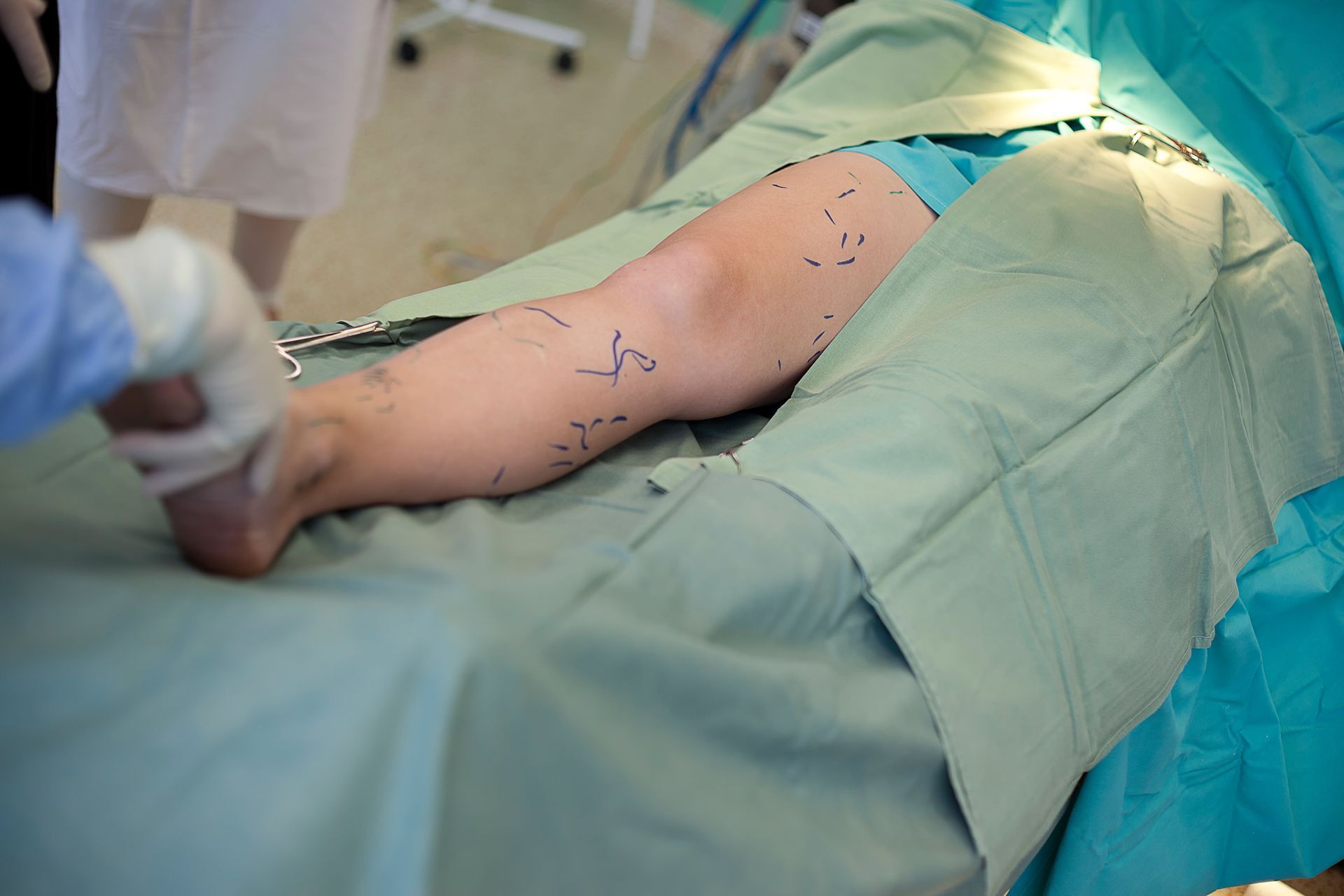
Learning about laser vein treatments is a helpful first step toward understanding the options available for restoring comfort. Read on to learn more.

Discover what to know about restless legs and vascular services and learn how circulation issues may contribute to symptoms that disrupt your daily life.