April 9, 2026
Circulation problems affect millions of people through conditions including varicose veins, peripheral artery disease, deep vein thrombosis, and chronic venous insufficiency. Many sufferers ignore symptoms or attempt self-treatment without realizing that specialized medical evaluation provides accurate diagnosis and effective treatment options. Understanding how vascular specialists diagnose and treat circulation disorders helps you recognize when professional care becomes essential for optimal outcomes. The difference between progressive conditions causing serious complications and those successfully managed often comes down to receiving proper specialized care. Learning what vascular medicine offers empowers you to seek appropriate help when circulation symptoms develop, requiring expert evaluation.
Conducting Comprehensive Initial Evaluations
According to Medical News Today, varicose veins are twisted and enlarged veins that are at least 3 millimeters wide. Initial consultations at a vascular clinic include a detailed medical history review, symptom assessment, physical examination, and risk factor evaluation, identifying potential circulation problems. This comprehensive evaluation establishes baseline information guiding diagnostic testing and treatment planning tailored to your specific condition and health status. The thorough assessment that specialists conduct identifies not just obvious symptoms but also subtle signs that patients might not recognize as significant. Vascular physicians examine affected areas, assess pulse points, evaluate skin changes, and identify swelling patterns that indicate specific circulation disorders. They ask detailed questions about symptom timing, aggravating factors, and family history that inform diagnostic impressions before ordering confirmatory testing.
Utilizing Advanced Diagnostic Imaging Technologies
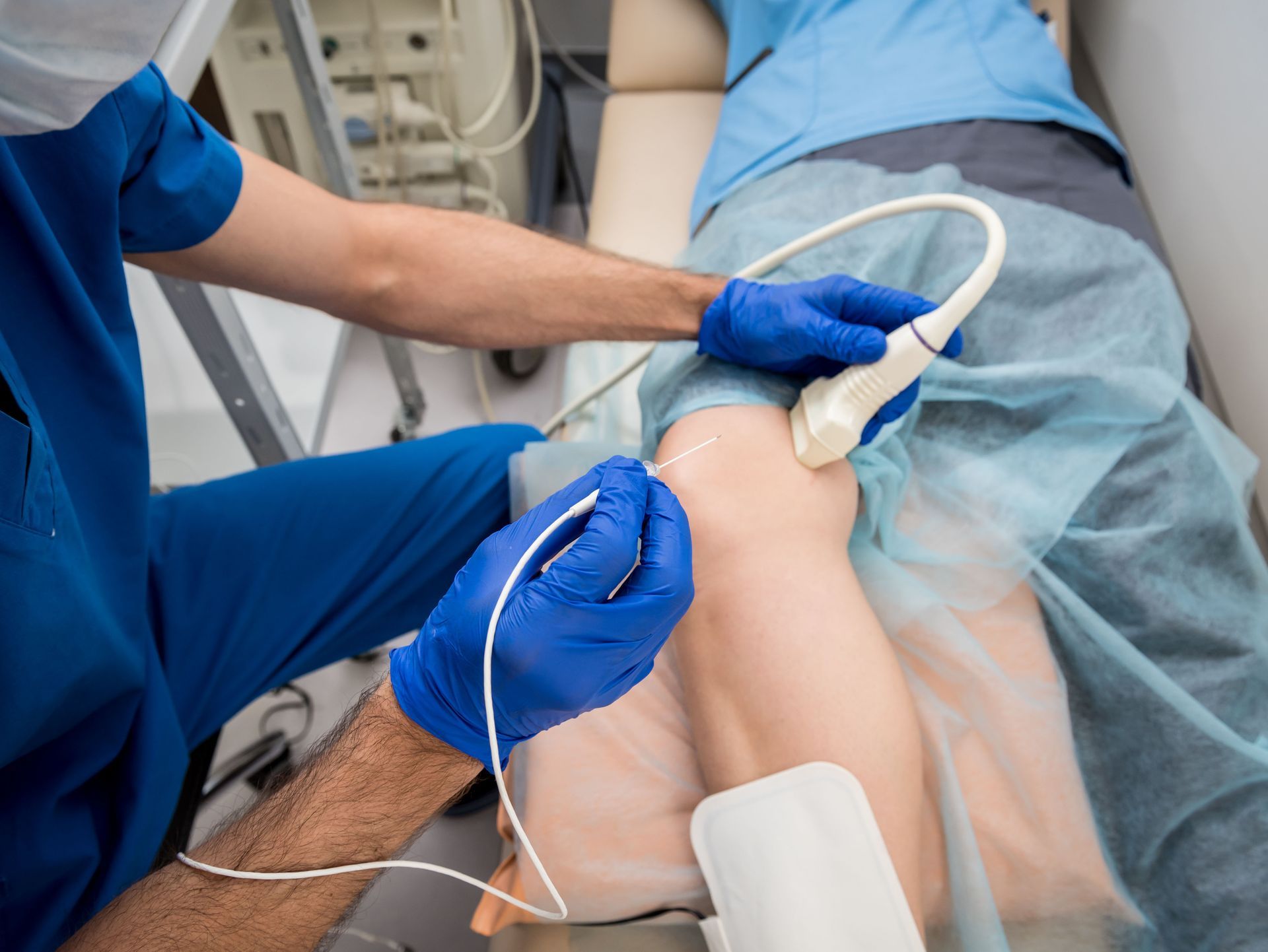
Modern diagnostic tools, including duplex ultrasound, CT angiography, and magnetic resonance imaging, provide detailed views of blood vessels and circulation patterns. These non-invasive technologies reveal blockages, valve failures, blood clots, and structural abnormalities that physical examination alone cannot detect or quantify accurately. The imaging capabilities that specialized equipment provides allow for precise diagnosis, guiding appropriate treatment selection based on specific anatomical findings and disease severity. A sophisticated cardiovascular center employs board-certified technologists operating state-of-the-art equipment that produces high-resolution images revealing even subtle vascular abnormalities requiring intervention. Specialists interpret these studies personally rather than relying solely on radiologist reports, ensuring vascular expertise informs all diagnostic conclusions and recommendations. The same-day imaging availability that many vascular centers provide accelerates diagnosis, allowing treatment planning to begin promptly without delays waiting for scheduled tests.
Diagnosing Venous Insufficiency and Varicose Veins
Chronic venous insufficiency occurs when leg vein valves fail, allowing blood to pool rather than returning efficiently to the heart. This condition creates symptoms including aching, heaviness, swelling, skin changes, and visible varicose veins that worsen without appropriate treatment. The progression from mild symptoms to severe complications, including ulceration, makes early diagnosis and intervention important for preventing advanced disease. Experienced vascular clinic physicians identify venous insufficiency through physical examination findings combined with ultrasound imaging showing reversed blood flow from valve failures. They map diseased veins, measure reflux severity, and identify specific problem areas requiring treatment to restore proper circulation and relieve symptoms. Treatment recommendations consider disease severity, symptom impact, cosmetic concerns, and patient preferences when developing individualized management plans addressing specific needs.
Identifying Peripheral Artery Disease
Peripheral artery disease develops when atherosclerotic plaque narrows arteries, reducing blood flow to the legs, creating pain during walking, and causing tissue damage. This condition increases heart attack and stroke risks as it indicates widespread atherosclerosis affecting the cardiovascular system broadly beyond just the leg arteries. The symptoms, including claudication, non-healing wounds, and cold extremities, warrant evaluation to identify disease presence and severity, requiring treatment to prevent complications. Specialized vascular clinic testing includes ankle-brachial index measurements, arterial duplex ultrasound, and sometimes advanced imaging revealing blockage locations and severity, guiding treatment. Physicians assess overall cardiovascular risk, review medications, and recommend lifestyle modifications addressing underlying atherosclerosis contributing to arterial disease throughout the body. They coordinate care with cardiologists and other specialists when indicated, ensuring comprehensive management of conditions affecting multiple vascular territories simultaneously.
Detecting Deep Vein Thrombosis
Deep vein thrombosis occurs when blood clots form in deep leg veins, creating risks including pulmonary embolism if clots break loose. This potentially fatal condition requires prompt diagnosis and treatment, preventing clot propagation and embolism that can cause sudden death from lung artery blockage. The symptoms, including unilateral swelling, pain, warmth, and redness, demand urgent evaluation when they develop acutely in previously asymptomatic patients. Emergency cardiovascular services provide same-day ultrasound examinations to detect blood clots requiring immediate anticoagulation therapy, preventing complications from untreated thrombosis. Specialists determine appropriate treatment intensity, monitor therapy effectiveness, and identify underlying causes, including clotting disorders that increase future thrombosis risks. They educate patients about warning signs of pulmonary embolism requiring emergency care and explain anticoagulation precautions preventing bleeding complications during treatment.
Providing Conservative Management and Compression Therapy
Not all circulation problems require invasive treatments, as conservative measures, including compression stockings, exercise, and lifestyle modifications, effectively manage many conditions. These approaches prove particularly appropriate for mild disease, patients with medical contraindications to procedures, or those preferring non-interventional management. The compression therapy that properly fitted medical-grade stockings provide reduces swelling, improves symptoms, and slows venous disease progression when used consistently. Knowledgeable vascular clinic staff measure patients accurately for compression garments, ensuring proper fit and pressure gradients that therapeutic effectiveness requires for symptom relief. They educate about proper compression stocking use, care, and replacement schedules, maintaining therapeutic benefit through correctly fitted, well-maintained garments worn consistently. Specialists recommend appropriate compression levels, stocking styles, and wearing schedules based on disease severity, activity levels, and individual tolerance for compression.
Managing Restless Legs Syndrome
Restless legs syndrome creates uncomfortable sensations and irresistible movement urges that disrupt sleep and diminish quality of life significantly. This condition sometimes results from underlying venous insufficiency that treatment can resolve, eliminating symptoms by addressing the vascular cause effectively. The connection between venous disease and restless legs makes vascular evaluation appropriate when typical treatments fail to control symptoms adequately. Experienced vascular clinic physicians screen restless legs patients for venous insufficiency, treating underlying vein problems when present and often eliminating symptoms. They collaborate with sleep specialists and neurologists when venous causes are excluded, ensuring patients receive appropriate care regardless of underlying etiology. The multidisciplinary approach that comprehensive vascular centers provide ensures proper diagnosis and treatment even when conditions involve multiple specialties requiring coordination.
Providing Long-Term Follow-Up and Disease Management
Vascular conditions often require ongoing monitoring to ensure treatments remain effective and new problems are detected early, when intervention is most successful. This longitudinal care relationship allows specialists to track disease progression, adjust treatments as needed, and provide continued support throughout management. The surveillance programs that vascular practices offer identify recurrent disease, treatment failures, and new problems requiring intervention before complications develop from unrecognized progression. Established vascular clinic relationships provide continuity, ensuring familiarity with your history, prior treatments, and individual factors that affect care decisions and recommendations. Regular follow-up appointments include repeat imaging when indicated, physical reassessment, and treatment plan modifications based on response and changing circumstances. Physicians remain available for questions, symptom changes, and emergent concerns arising between scheduled visits, providing reassurance and guidance when issues develop.
Understanding how vascular specialists diagnose and treat circulation disorders helps patients recognize when specialized care becomes necessary for optimal outcomes. The investment in expert evaluation and treatment proves worthwhile through accurate diagnosis, effective interventions, and improved quality of life. Making informed decisions about seeking vascular care ensures circulation problems receive the specialized attention that successful management requires. Whether you need spider vein treatment, swelling treatment, unsightly vein treatment, lymphedema treatment, lipedema treatment, venous thrombosis care, radio-frequency fat elimination treatment, laser vein treatment, restless leg treatment, Sigvaris compression garments, Vitasupport supplements, lymphatic formula supplements, or vein formula supplements, Sun Vein & Vascular is certified in vascular surgery, provides customizable treatment plans, and offers same-day appointments based on availability. For more information, contact us today!