April 24, 2026
Varicose veins are a common condition that affects many individuals, often appearing as bulging, twisted veins beneath the surface of the skin. While they are frequently associated with cosmetic concerns, they can also indicate underlying circulatory issues that require professional evaluation. Seeking care from experienced vascular surgeons ensures that the condition is addressed safely, effectively, and with a personalized approach tailored to each patient’s needs.
Modern advancements in medical technology have transformed the way varicose veins are treated. Today, patients can benefit from minimally invasive procedures that prioritize comfort, reduce recovery time, and deliver long-lasting results. Understanding how vascular surgeons approach diagnosis and treatment can help individuals feel more confident about pursuing care and improving their overall vascular health.
Understanding Varicose Veins
Varicose veins develop when the valves within veins become weakened or damaged, allowing blood to pool instead of flowing efficiently back toward the heart. This pooling causes veins to enlarge and become visible beneath the skin, often leading to discomfort, heaviness, or swelling in the affected area. While they are commonly seen in the legs, they can occur in other parts of the body as well.
According to Medical News Today, varicose veins are characterized as twisted and enlarged veins measuring at least 3 millimeters in width. This definition highlights the physical changes that occur within the veins and underscores the importance of professional evaluation. Vascular surgeons are trained to assess these changes and determine whether treatment is necessary based on both symptoms and overall health.
Beyond their visible appearance, varicose veins can lead to complications if left untreated. Patients may experience aching, itching, or a feeling of heaviness that worsens over time. In more advanced cases, skin changes or ulcers may develop, emphasizing the need for early intervention by qualified specialists.
Evaluating Patient Symptoms and Medical History
The first step in treating varicose veins involves a comprehensive evaluation. Vascular surgeons take the time to understand each patient’s symptoms, medical history, and lifestyle factors that may contribute to the condition. This personalized approach ensures that treatment plans are both effective and appropriate for the individual.
During the consultation, patients are encouraged to discuss any discomfort, visible changes, or concerns they may have. Vascular surgeons may also inquire about family history, as genetics can play a role in the development of varicose veins. By gathering this information, specialists can identify potential risk factors and tailor their recommendations accordingly.
In addition to a physical examination, diagnostic imaging may be used to gain a clearer understanding of the veins. These tools allow vascular surgeons to observe blood flow and detect any abnormalities that may not be visible on the surface. This thorough evaluation process is essential for determining the most suitable course of treatment.
Using Advanced Diagnostic Tools
Accurate diagnosis is a critical component of effective treatment. Vascular surgeons rely on advanced diagnostic tools to assess the condition of the veins and identify the underlying cause of the problem. These technologies provide detailed insights that guide treatment decisions and improve patient outcomes.
One of the most commonly used diagnostic methods involves imaging techniques that allow specialists to visualize blood flow in real time. This helps identify areas where blood may be pooling or where valves are not functioning properly. By pinpointing the exact location of the issue, vascular surgeons can develop targeted treatment plans that address the root cause rather than just the symptoms.
These diagnostic tools also play an important role in monitoring progress after treatment. By comparing images over time, vascular surgeons can evaluate the effectiveness of the procedure and make any necessary adjustments to ensure optimal results. This ongoing assessment helps maintain long-term vascular health.
Applying Minimally Invasive Treatment Methods
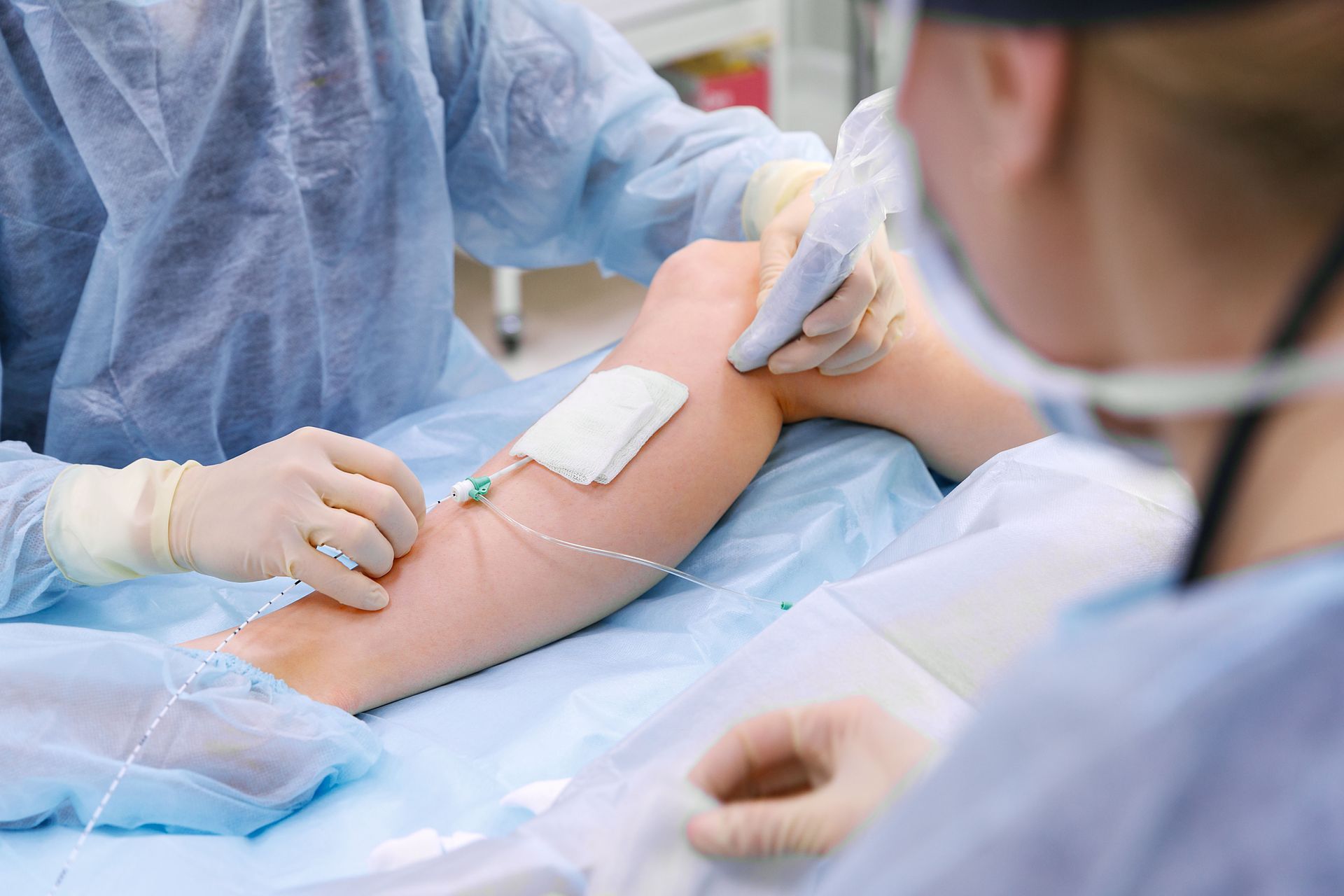
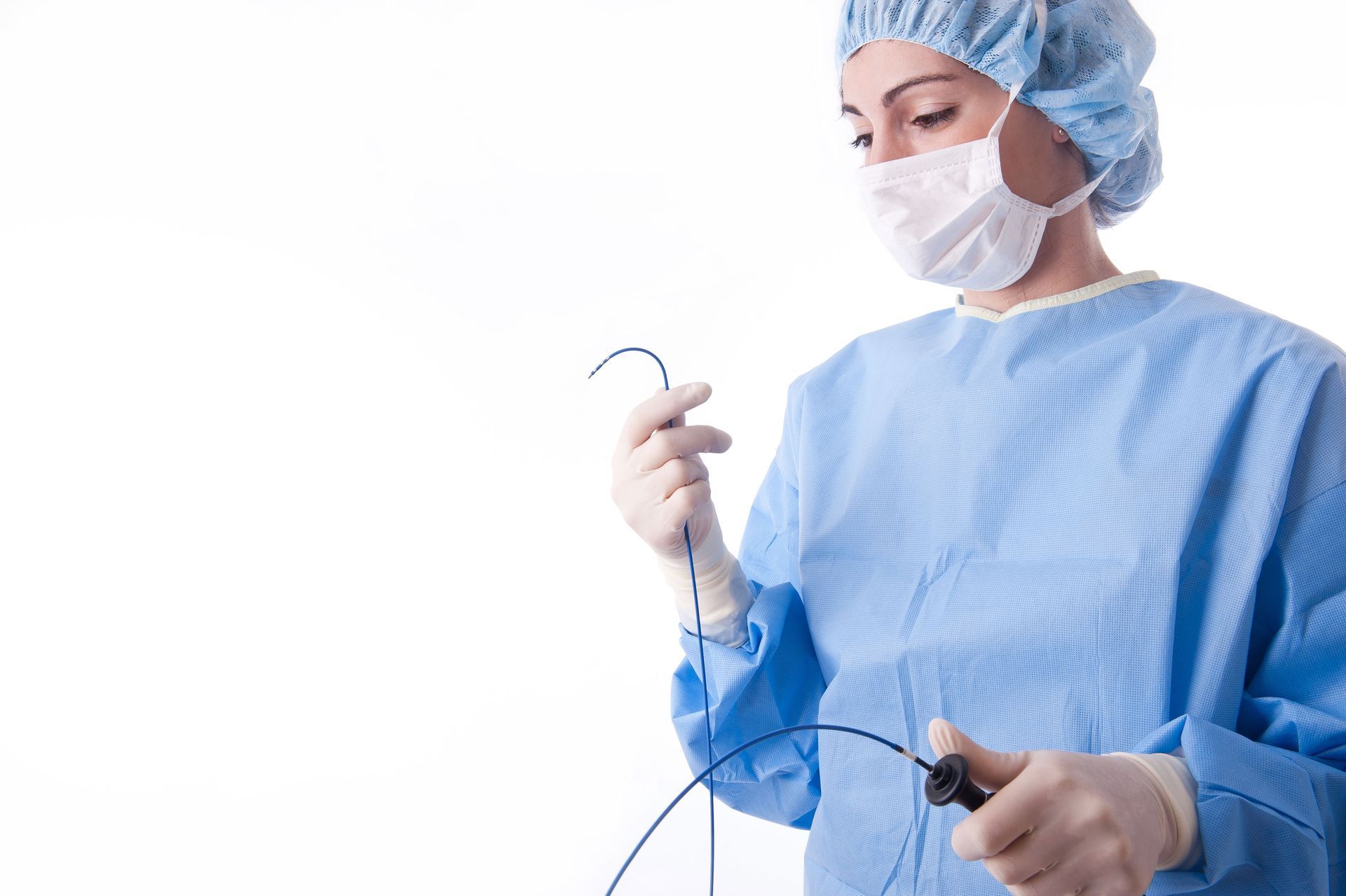
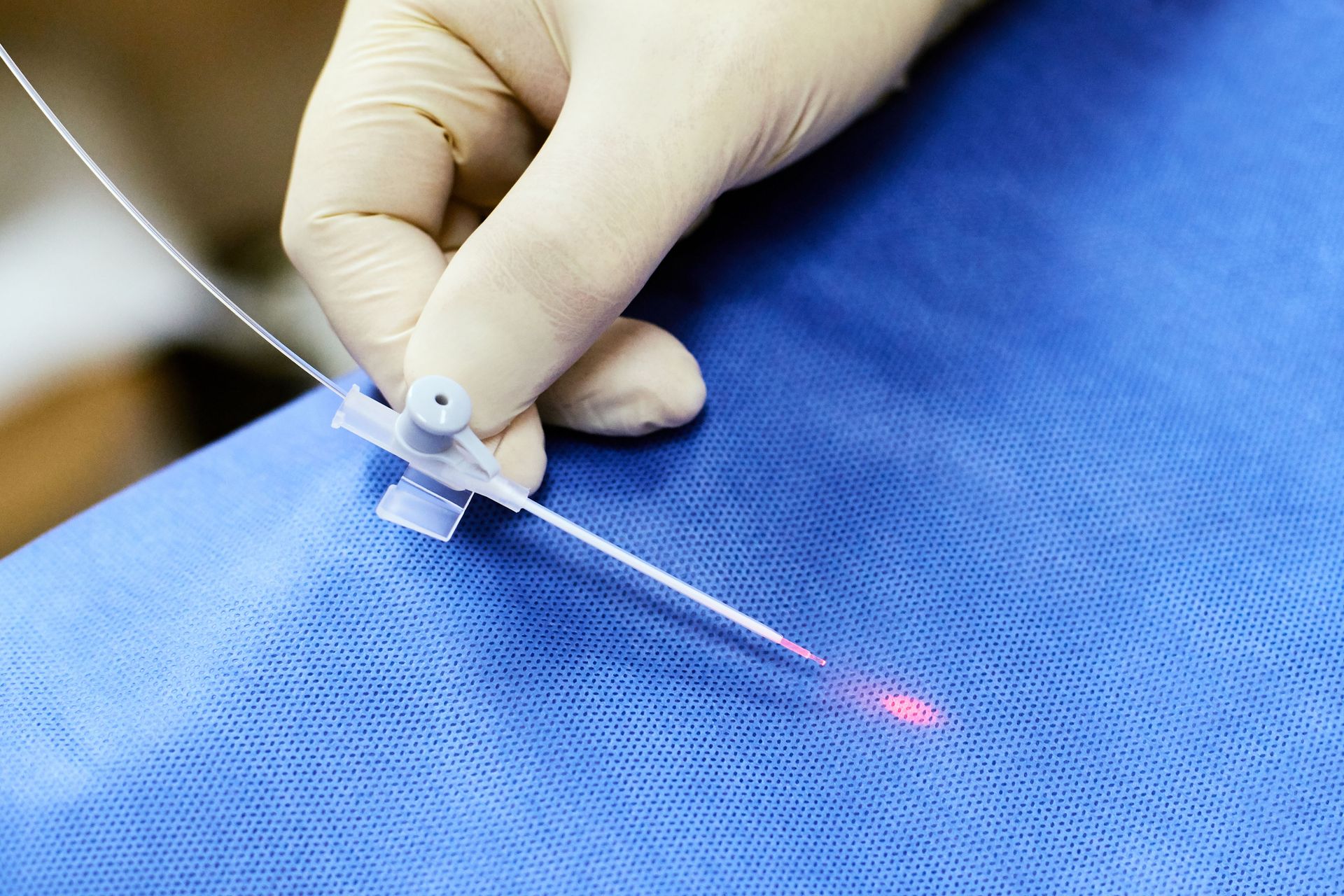
Modern treatment options for varicose veins have evolved significantly, with a strong emphasis on minimally invasive techniques. Vascular surgeons use these methods to treat affected veins with precision while minimizing discomfort and recovery time for patients.
Procedures are designed to close or remove damaged veins, allowing blood to reroute through healthier pathways. This not only improves the appearance of the affected area but also enhances overall circulation. Because these treatments are less invasive, patients can often return to their normal activities more quickly compared to traditional surgical approaches.
Vascular surgeons carefully select the most appropriate method based on the severity of the condition and the patient’s individual needs. This tailored approach ensures that each treatment is both safe and effective, providing long-lasting relief from symptoms.
Prioritizing Patient Safety and Comfort
Patient safety is at the core of every treatment plan. Vascular surgeons follow strict protocols to ensure that procedures are performed with the highest level of care. From initial consultation to post-treatment follow-up, every step is designed to prioritize the well-being of the patient.
Comfort is also a key consideration. Minimally invasive procedures are often performed in a controlled environment where patients can feel at ease. Vascular surgeons and their teams take the time to explain each step of the process, helping patients understand what to expect and alleviating any concerns they may have.
After treatment, patients receive detailed guidance on how to care for themselves during recovery. This may include recommendations for activity levels, compression garments, and follow-up appointments. By providing clear instructions, vascular surgeons help ensure a smooth recovery and optimal results.
Supporting Long-Term Vein Health
Treating varicose veins is not only about addressing current symptoms but also about promoting long-term vascular health. Vascular surgeons work with patients to develop strategies that support healthy circulation and reduce the likelihood of recurrence.
This may involve lifestyle recommendations that complement medical treatment. Patients are encouraged to maintain habits that support vein health, such as staying active and managing factors that contribute to poor circulation. While professional treatment addresses existing issues, these ongoing efforts help preserve results and improve overall well-being.
Regular follow-up visits allow vascular surgeons to monitor progress and address any new concerns that may arise. This proactive approach ensures that patients continue to benefit from their treatment and maintain healthy veins over time.
Delivering Personalized Treatment Plans
Every patient is unique, and vascular surgeons recognize the importance of individualized care. Treatment plans are carefully designed to reflect each patient’s specific condition, goals, and preferences. This personalized approach enhances both the effectiveness of the treatment and the overall patient experience.
By combining advanced technology with clinical expertise, vascular surgeons can offer solutions that are tailored to the individual. This may involve selecting specific procedures, adjusting treatment timelines, or incorporating additional therapies as needed. The goal is to provide comprehensive care that addresses both the physical and emotional aspects of the condition.
Open communication plays a vital role in this process. Patients are encouraged to ask questions and share their concerns, ensuring that they feel informed and confident throughout their treatment journey. This collaborative approach fosters trust and leads to better outcomes.
Varicose veins can impact both physical comfort and confidence, but modern treatment options offer effective solutions that prioritize safety and long-term results. With the expertise of vascular surgeons, patients can receive accurate diagnoses, advanced treatments, and ongoing support tailored to their individual needs. Taking the step to seek professional care can lead to improved circulation, reduced discomfort, and a renewed sense of well-being.
At Sun Vein & Vascular, we are committed to helping you achieve healthier veins through safe and effective treatment options. Our team works closely with you to understand your needs, provide expert care, and guide you every step of the way toward improved vascular health.