October 8, 2026
Vein health plays a crucial role in maintaining overall wellness, especially as we age. The circulatory system relies on healthy veins to transport blood back to the heart. As individuals grow older, structural shifts occur naturally within the vascular system. However, it is essential to differentiate between benign, age-related changes and warning signs that indicate progressive vascular disease. Consulting a qualified local vascular surgeon can help patients navigate these changes safely and take proactive steps to maintain lifelong leg comfort and mobility.
Understanding Venous Structure and Aging
Anatomy of Aging Veins
Veins contain tiny, one-way valves designed to pump blood upward against gravity. Over time, vein walls lose elasticity, and these internal valves can weaken or stretch. When valves fail, blood moves backward and pools in the lower legs, a process known as venous reflux. A local vascular surgeon can evaluate whether structural wear in your veins is part of the normal aging process or a sign of deeper circulation failure.
Common Age-Related Conditions
As individuals age, several common vein conditions tend to surface. Spider veins appear as small, web-like clusters near the skin's surface, while varicose veins develop as larger, twisted, bulging vessels. Chronic venous insufficiency (CVI) occurs when widespread valve failure causes persistent swelling, leg fatigue, and skin discoloration. Recognizing how these conditions develop with age empowers patients to seek timely evaluation from a local vascular surgeon.
Recognizing Normal Age-Related Vein Changes
Loss of Venous Wall Elasticity
As collagen and elastin fibers break down over time, vein walls naturally become stiffer and thinner. This gradual rigidity reduces the vein's ability to constrict and expand efficiently during physical activity. Although decreased elasticity is a standard aspect of aging, maintaining an active lifestyle can support blood flow and help minimize its visual and physical impacts.
Minor Fluid Accumulation and Swelling
Occasional mild swelling in the feet or ankles after long periods of sitting or standing is a frequent experience for older adults. As veins lose structural tightness, small amounts of fluid can leak into the surrounding tissue. Elevating the legs at the end of the day or using mild compression socks usually helps manage this age-related symptom effectively.
Development of Surface Spider Veins
The appearance of fine red, blue, or purple spider veins on the thighs, calves, or ankles often increases with age. These visible vessels are primarily a cosmetic concern resulting from superficial pressure changes in delicate capillary networks. While generally harmless, widespread spider veins can sometimes indicate underlying pressure issues that warrant a routine screening by a local vascular surgeon.
Identifying Warning Signs of Vascular Disease
Onset of Chronic Venous Insufficiency
Unlike mild age-related changes, Chronic Venous Insufficiency (CVI) is a progressive medical condition. Symptoms include heavy, aching, or throbbing legs, persistent ankle swelling, hyperpigmentation (skin darkening), and painful skin ulcers near the ankles. CVI requires professional medical management to restore proper circulation and prevent long-term skin breakdown.
Formation of Deep Vein Thrombosis
Deep Vein Thrombosis (DVT) occurs when a dangerous blood clot forms within a deep vein, typically in the calf or thigh. DVT usually presents with sudden, unilateral leg swelling, severe localized tenderness, and warmth or redness in the affected leg. Because a dislodged clot can travel to the lungs and cause a life-threatening pulmonary embolism, immediate evaluation by a vascular specialist or emergency team is critical.
Presence of Peripheral Artery Disease
While venous issues involve blood returning to the heart, Peripheral Artery Disease (PAD) involves narrowed arteries that restrict oxygen-rich blood flow to the limbs. Key warning signs include sharp leg pain while walking (claudication) that subsides with rest, cold feet, pale or shiny skin, and slow-healing leg wounds. PAD significantly increases cardiovascular risks and requires comprehensive diagnostic testing.
Progression of Severe Varicose Veins
Bulging varicose veins are not merely cosmetic; advanced cases indicate significant venous dysfunction. According to the Chicago Vein Institute, about 50% of people with varicose veins have a family history of varicose veins. In addition, if both of a patient's parents have varicose veins, his or her chances of developing varicose veins increase to almost 90%. When accompanied by intense itching, spontaneous bleeding, or severe skin inflammation, varicose veins should be treated promptly by a local vascular surgeon.
Evaluating Key Risk Factors for Vascular Disease
Impact of Genetic Inheritance
Family history remains one of the strongest predictors of vascular health issues. Inherited genetic traits influence the natural strength of vein walls and the durability of venous valves. Understanding your family's medical history helps you identify personal risks early and take preventative steps alongside your physician.
Influence of Daily Lifestyle Habits
Sedentary routines, prolonged sitting or standing at work, obesity, and diets high in sodium accelerate vascular strain. Inactivity reduces the pump action of calf muscles, which normally aids upward blood flow. Conversely, smoking damages the delicate endothelial lining of blood vessels, drastically increasing the risk of arterial and venous diseases.
Presence of Comorbid Health Conditions
Pre-existing chronic conditions like hypertension, high cholesterol, and diabetes compound vascular deterioration. High blood sugar damages tiny blood vessels and nerves, while elevated blood pressure places continuous stress on arterial and venous structures. Managing underlying health conditions is vital for preserving circulatory health as you age.
Adopting Prevention and Maintenance Strategies
Incorporating Consistent Physical Activity
Regular exercise is one of the most effective ways to promote venous circulation. Activities such as walking, cycling, and swimming engage the calf muscle pump, forcing blood out of the lower legs and back toward the heart. Aiming for 30 minutes of low-impact movement daily significantly reduces venous pressure and leg discomfort.
Following a Vascular-Healthy Diet
A balanced diet rich in bioflavonoids, antioxidants, and fiber supports vessel wall integrity and reduces systemic inflammation. Consuming foods like berries, leafy greens, citrus fruits, and omega-3 fatty acids reinforces blood vessel elasticity, while limiting salt intake helps prevent fluid retention and tissue swelling.
Utilizing Non-Invasive Medical Interventions
Gradient compression therapy remains a gold standard for managing leg swelling and heavy sensations. Medical-grade compression stockings gently squeeze the legs, supporting weakened valves and assisting upward blood flow. Routine consultations with a local vascular surgeon ensure proper sizing and pressure levels for maximum therapeutic benefit.
Exploring Modern Medical Treatment Options
Application of Minimally Invasive Procedures
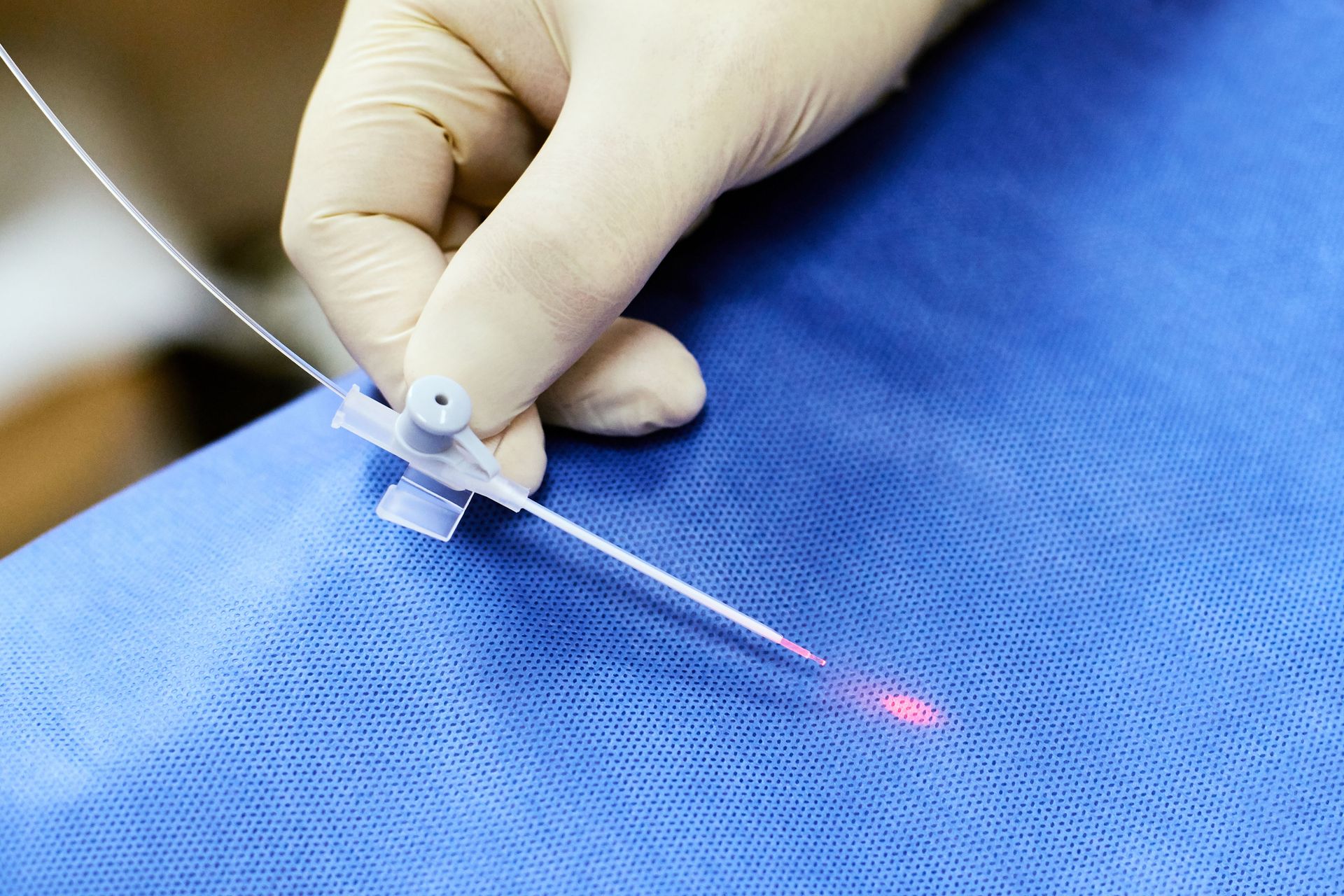
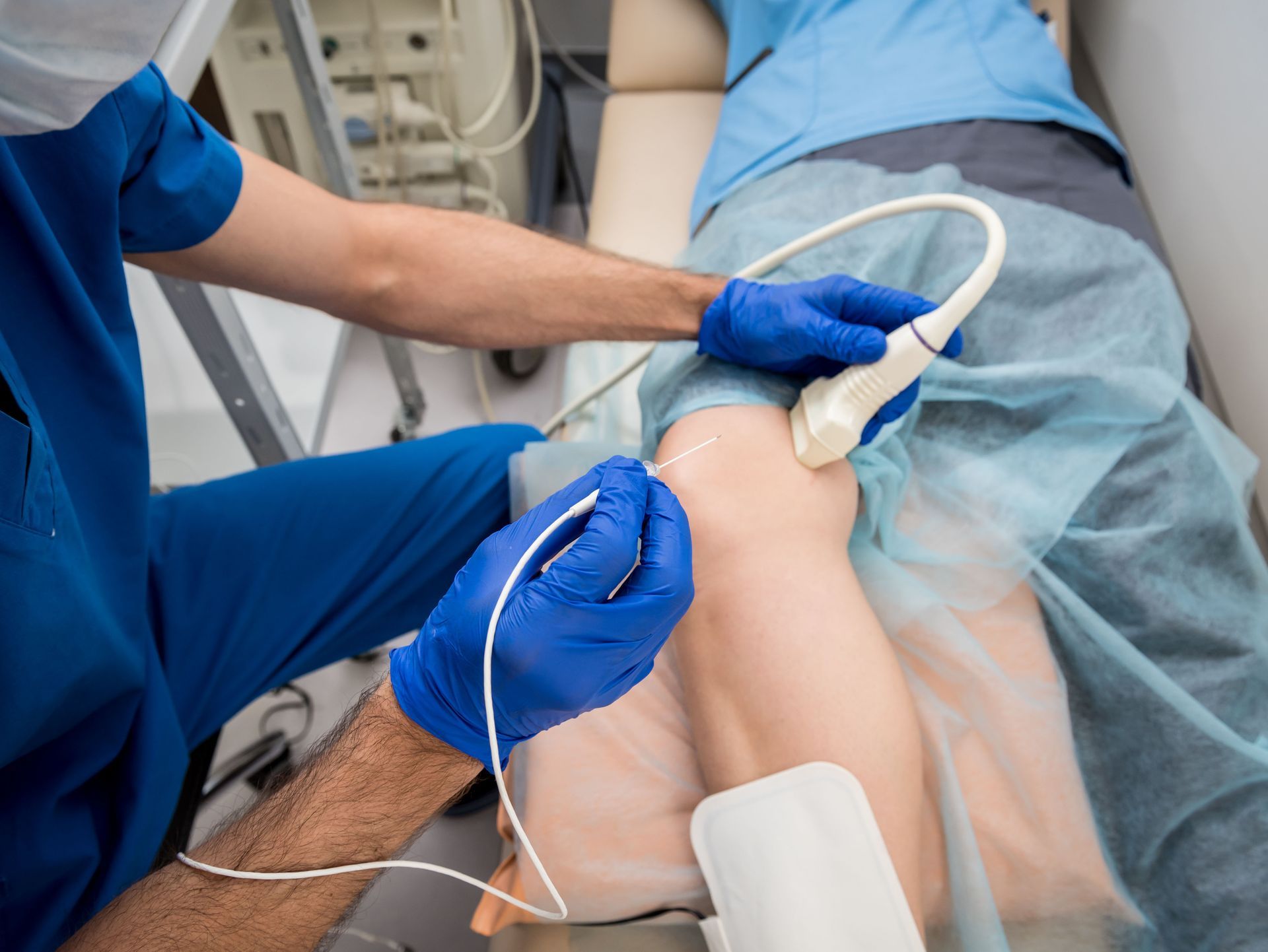
Modern vein care has evolved significantly beyond traditional open surgery. Minimally invasive treatments, such as endovenous laser ablation (EVLT), radiofrequency ablation, and sclerotherapy, allow specialists to close off damaged veins safely in an outpatient setting with minimal downtime and minimal discomfort.
Implementation of Surgical Solutions
In complex or advanced vascular cases involving widespread blockages or severe arterial disease, traditional surgical intervention may be required. Procedures such as bypass grafting, vein ligation, or endarterectomy restore critical blood flow to ischemic tissues, protecting limb health and overall mobility.
Adherence to Post-Treatment Recovery Plans
Achieving optimal long-term outcomes after any vascular procedure depends heavily on proper post-treatment care. Wearing prescribed compression garments, engaging in light walking, elevating the legs, and attending follow-up ultrasound scans ensure smooth healing and help prevent recurrent vein problems.
Navigating changes in vein health is an essential part of healthy aging. While mild elasticity loss and minor spider veins are common, symptoms like severe leg pain, persistent swelling, non-healing sores, and bulging varicose veins require specialized medical attention. If you are experiencing uncomfortable leg symptoms or wish to evaluate your circulatory health, schedule a consultation with a board-certified local vascular surgeon at Sun Vein & Vascular today to restore your leg comfort and safeguard your overall quality of life.