August 22, 2026
Vascular health plays an important role in keeping blood flowing efficiently throughout the body. The vascular system includes arteries, veins and smaller blood vessels responsible for delivering oxygen and nutrients to tissues while carrying waste products away. When these vessels become narrowed, blocked or damaged, serious complications can develop. Fortunately, vascular services can help identify problems early, manage existing conditions and reduce the likelihood of severe outcomes.
Vascular care is particularly important for people with risk factors such as diabetes, high blood pressure, high cholesterol, smoking history and advanced age. Through screenings, diagnostic testing, medical treatment and procedures, vascular specialists can address circulation problems before they result in lasting tissue damage or other serious health concerns.
What Are Vascular Services and Why Are They Important?
Vascular services encompass a broad range of medical evaluations, diagnostic tests and treatments focused on diseases affecting blood vessels outside the heart. These services can address conditions involving both arteries and veins, including peripheral artery disease, carotid artery disease, chronic venous disease, deep vein thrombosis and certain aneurysms.
Healthy circulation is essential because virtually every organ and tissue depends on an adequate blood supply. When an artery becomes narrowed by plaque buildup, for example, blood may have difficulty reaching the legs, brain or other parts of the body. Similarly, problems with veins can interfere with the return of blood to the heart and contribute to swelling, discomfort or potentially dangerous blood clots.
One of the most valuable aspects of vascular services is their ability to identify circulation problems that may initially produce few noticeable symptoms. A person may have peripheral artery disease, for instance, without experiencing significant discomfort until the condition has progressed. Regular evaluations can give physicians an opportunity to identify warning signs and recommend appropriate treatment.
Early intervention can also help prevent complications such as ulcers, tissue damage, stroke or limb-threatening ischemia. Depending on the patient's condition, treatment may involve lifestyle changes and medication, minimally invasive procedures or surgery.
How Do Vascular Services Help in Managing Chronic Diseases?
Several chronic diseases can increase the risk of vascular problems. Diabetes and hypertension are particularly important because they can damage blood vessels over time. High blood sugar can contribute to blood vessel damage and poor circulation, while persistent high blood pressure places additional strain on arterial walls.
Vascular services can become an important component of long-term disease management for patients facing these risks. Physicians may monitor circulation, evaluate changes in blood vessels, and identify signs that a chronic condition is affecting vascular health. This information can help guide treatment decisions and encourage patients to address controllable risk factors.
For people with diabetes, maintaining healthy circulation is especially important in the feet and lower legs. Reduced blood flow can make it more difficult for wounds to heal and can increase the potential for serious infections. A vascular evaluation may help determine whether inadequate circulation is contributing to a wound that is healing slowly.
Blood clot prevention is another important consideration. According to the Centers for Disease Control and Prevention, as many as 70% of blood clots associated with hospitalization may be preventable when appropriate prevention measures and risk assessments are used. This highlights the value of recognizing clot risks and taking preventive measures when medically appropriate.
Vascular services can also support patients with chronic venous conditions. Compression therapy, medication, lifestyle recommendations, and minimally invasive treatments may help address problems such as varicose veins and chronic venous insufficiency. Managing these conditions can reduce symptoms while lowering the likelihood of complications.
What Technologies Are Used in Modern Vascular Services?
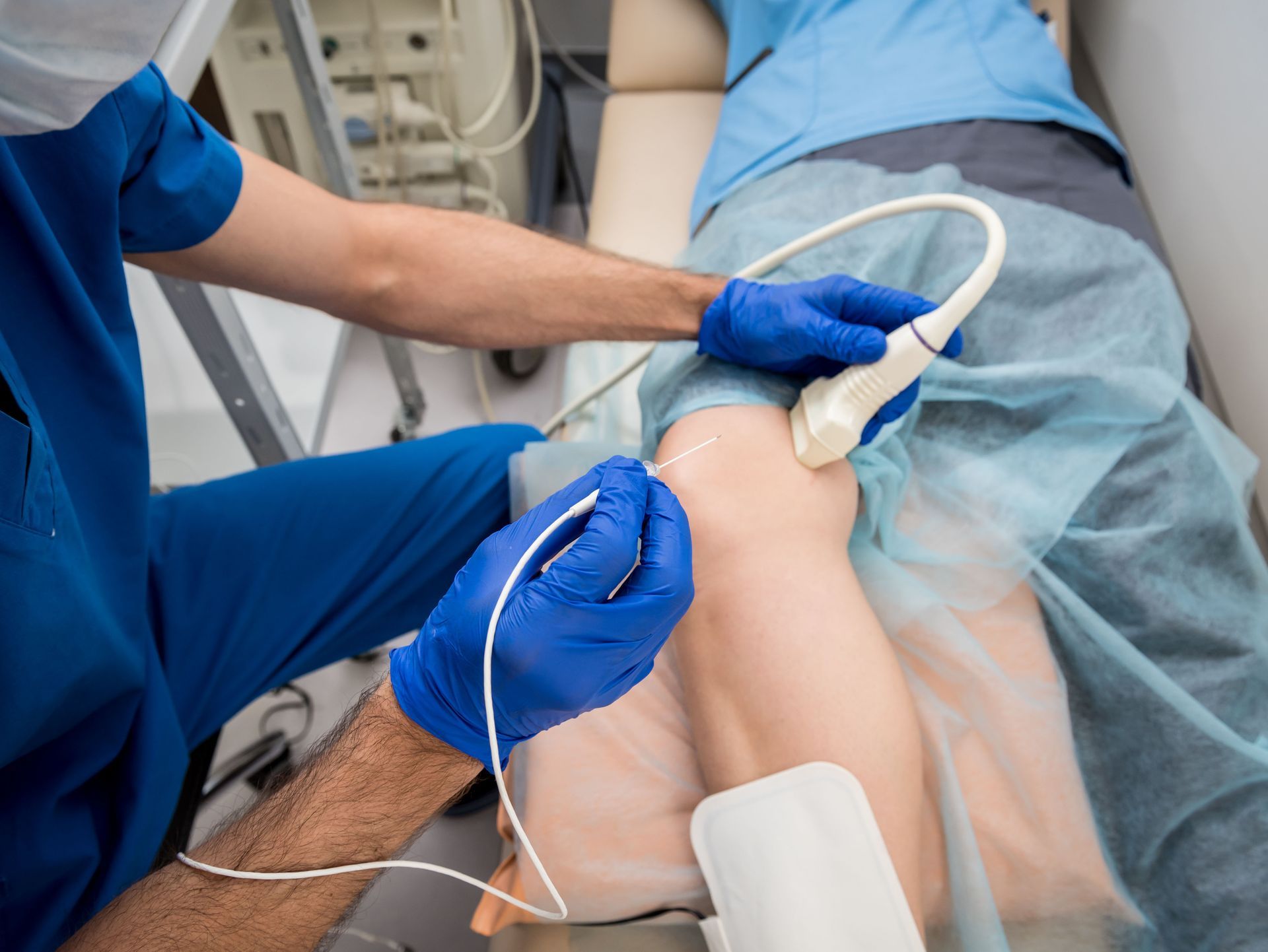
Modern vascular care relies on a variety of diagnostic technologies that allow physicians to examine blood vessels without immediately resorting to invasive procedures. Ultrasound is one of the most commonly used tools. Duplex ultrasound combines traditional imaging with Doppler technology to evaluate both the structure of blood vessels and the movement of blood through them.
Because ultrasound does not require radiation, it can be useful for evaluating suspected blockages, narrowed arteries, blood clots and other circulation problems. The technology can also help physicians monitor known vascular conditions over time.
Other imaging techniques may provide more detailed views when necessary. Computed tomography angiography and magnetic resonance angiography can produce images of blood vessels in different areas of the body. These tests may be used when physicians need additional information before recommending treatment.
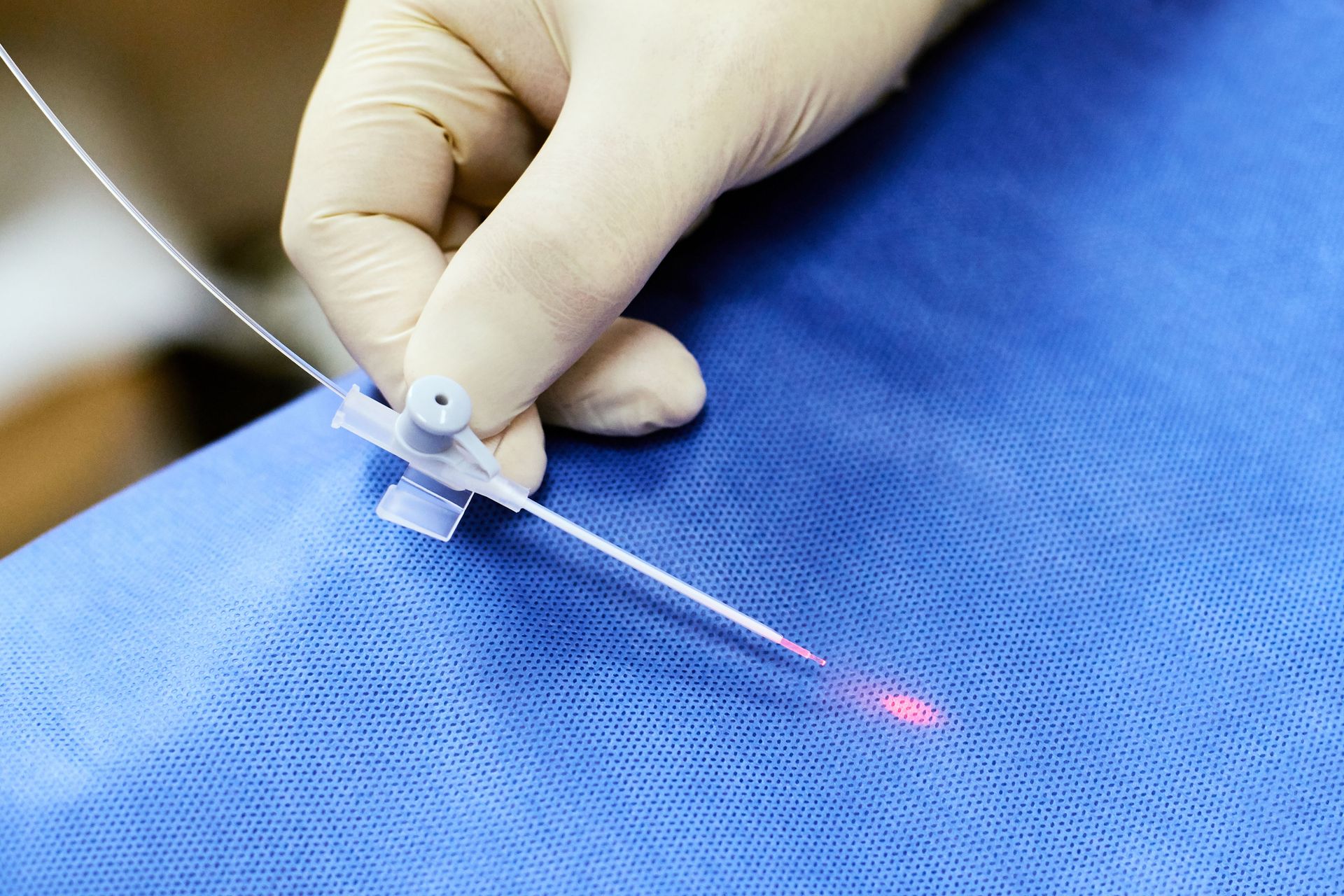
Some vascular services also incorporate minimally invasive procedures that can treat certain conditions without traditional open surgery. Angioplasty, for example, uses a small catheter to help widen a narrowed blood vessel. In some situations, a stent may be placed to help maintain blood flow.
Who Can Benefit From Vascular Services?
Vascular care is not limited to people who have already been diagnosed with a blood vessel disorder. Individuals with risk factors for vascular disease may also benefit from an evaluation, particularly when symptoms or other warning signs are present.
People with diabetes, high blood pressure or high cholesterol may face an elevated risk of vascular disease. Smoking is another significant risk factor because tobacco use can damage blood vessels and contribute to plaque buildup. A family history of vascular disease and increasing age can also influence an individual's risk.
Symptoms can provide another reason to seek vascular services. Leg pain that occurs while walking and improves with rest, unexplained swelling, changes in skin color or temperature, persistent leg wounds and numbness may warrant medical evaluation. Sudden symptoms such as severe limb pain, significant swelling or other acute changes require prompt medical attention.
People who have already experienced a vascular problem may also require ongoing monitoring. Follow-up appointments can help physicians determine whether treatment is working and whether a condition has changed.
What Are the Common Services Offered by Vascular Clinics?
Vascular clinics may provide a combination of consultations, diagnostic testing, medical management and procedures. An initial appointment typically involves reviewing a patient's symptoms and medical history, assessing risk factors and performing a physical examination.
Diagnostic testing may include ankle-brachial index testing, vascular ultrasound and other imaging studies. An ankle-brachial index compares blood pressure measurements in the arms and ankles and can help identify reduced blood flow to the legs.
Depending on the findings, vascular services may include treatment for peripheral artery disease, carotid artery disease, venous insufficiency, varicose veins, blood clots and aneurysms. Some patients may be managed through medication and lifestyle modifications, while others may require an intervention.
Vascular clinics may also offer procedures designed to improve blood flow or address problematic veins. Minimally invasive techniques can sometimes provide treatment while requiring smaller incisions and shorter recovery periods than traditional surgery.
Patient education is another important part of vascular services. Understanding the relationship between smoking, diet, exercise, blood pressure, cholesterol, and vascular health can help patients make informed decisions about their long-term health. In many cases, preventing disease progression involves both medical care and sustainable lifestyle changes.
Taking a Proactive Approach to Vascular Health
Vascular problems can sometimes progress quietly, making awareness and appropriate medical evaluation important. Conditions affecting blood vessels can contribute to serious complications, but timely diagnosis and treatment can help reduce those risks for many patients.
From diagnostic ultrasound and vascular screenings to minimally invasive procedures and chronic disease management, vascular services provide physicians with multiple ways to evaluate and treat circulation problems. They can also help patients understand their individual risk factors and take steps to protect their vascular health.
Anyone experiencing symptoms associated with poor circulation or who has significant risk factors should discuss those concerns with a healthcare professional. Proactive attention to vascular health can make it possible to identify problems earlier, address contributing conditions and reduce the potential for serious complications.
Vascular services are ultimately an important part of comprehensive healthcare because healthy blood vessels support virtually every part of the body. Through appropriate screening, monitoring, and treatment, patients can take meaningful steps toward maintaining circulation and protecting their long-term health. If you want to be proactive about your vascular health, contact Sun Vein & Vascular today!