August 11, 2026
Pregnancy brings immense joy, anticipation, and remarkable physical transformation to a person's body. As a body adapts to nourish and support growing life, significant anatomical and physiological shifts occur throughout the cardiovascular network. Hormonal fluctuations, increased circulating fluid volume, and mechanical pressure from the expanding uterus often put additional physical stress on lower body blood vessels. These natural physiological adjustments frequently lead to noticeable changes in leg appearance, persistent physical discomfort, heavy sensations, and fluid accumulation in the feet and ankles. For many expecting and new mothers, gaining a clear understanding of these vascular changes is the essential first step toward achieving lasting physical relief and restoring daily mobility.
While many temporary physical shifts resolve naturally during the months following delivery, some vascular changes linger or cause severe physical discomfort throughout expectancy. Addressing these lower body issues early can help maintain day-to-day comfort throughout every single stage of the childbearing journey. Modern medical advancements offer a wide array of safe, gentle vein treatments tailored to address specific vascular changes associated with childbearing. By learning about the underlying causes of lower extremity discomfort and knowing when to seek professional medical support, growing families can focus on the excitement of welcoming a child while prioritizing maternal wellness and long-term physical comfort.
Understanding Pregnancy Impact on Lower Body Circulation
During the childbearing experience, the human body undergoes profound physiological changes designed to nourish and sustain a developing fetus. To accomplish this vital task, total circulating fluid volume increases substantially throughout the cardiovascular network. At the same time, elevated levels of progesterone relax the smooth muscle tissue located within blood vessel walls. This relaxation allows vessels to expand easily, accommodating extra fluid volume but also reducing the structural efficiency with which blood travels from the lower extremities upward toward the heart.
In addition to systemic hormonal shifts, mechanical pressure plays a major role in lower extremity vascular changes. As the fetus grows within the womb, the expanding uterus exerts direct mechanical pressure on the large pelvic blood vessels. This continuous physical pressure slows circulation in the lower limbs, causing fluid to accumulate in the legs, ankles, and feet. According to data published by the National Institutes of Health, about 40% of pregnant women develop enlarged, twisted varicose veins as a direct consequence of these compounding physical stresses. While these structural changes represent a normal physiological response to pregnancy, they frequently produce uncomfortable symptoms that prompt individuals to explore gentle vein treatments to restore daily comfort and ease.
Recognizing Common Symptoms in Lower Extremities
Identifying vascular issues during pregnancy allows individuals to adopt practical, proactive measures before daily physical discomfort becomes overwhelming. Many expectant mothers notice persistent feelings of heavy, tired legs, particularly after standing or sitting for prolonged periods during the day. Mild to moderate swelling around the ankles and feet represents another frequent occurrence during pregnancy. These common symptoms stem directly from compromised venous return, which prevents blood from flowing smoothly back toward the heart against natural gravitational pull.
Beyond generalized heaviness and localized swelling, visible structural changes frequently appear on the surface of the skin. Enlarged, bulging, or darkened vessels can become prominent along the calves, knees, and thighs. Additionally, delicate web-like superficial clusters known as spider veins may emerge across lower body tissue. Some individuals experience localized aching, intense throbbing, skin itching, or painful nighttime leg cramps that disrupt restful sleep. Recognizing these physical signs helps individuals determine when conservative home routine care is sufficient and when seeking specialized medical evaluation regarding vein treatments becomes appropriate for long-term comfort.
Exploring Safe Options During and After Childbirth
Managing lower body vascular health during pregnancy requires a cautious, conservative approach that prioritizes both maternal safety and fetal development. Active medical interventions and invasive clinical procedures are routinely postponed until after childbirth and the completion of breastfeeding. Throughout pregnancy, care focuses on non-invasive conservative strategies that reduce swelling, alleviate physical aching, and promote healthy, efficient blood flow throughout the lower body without introducing unnecessary risks.
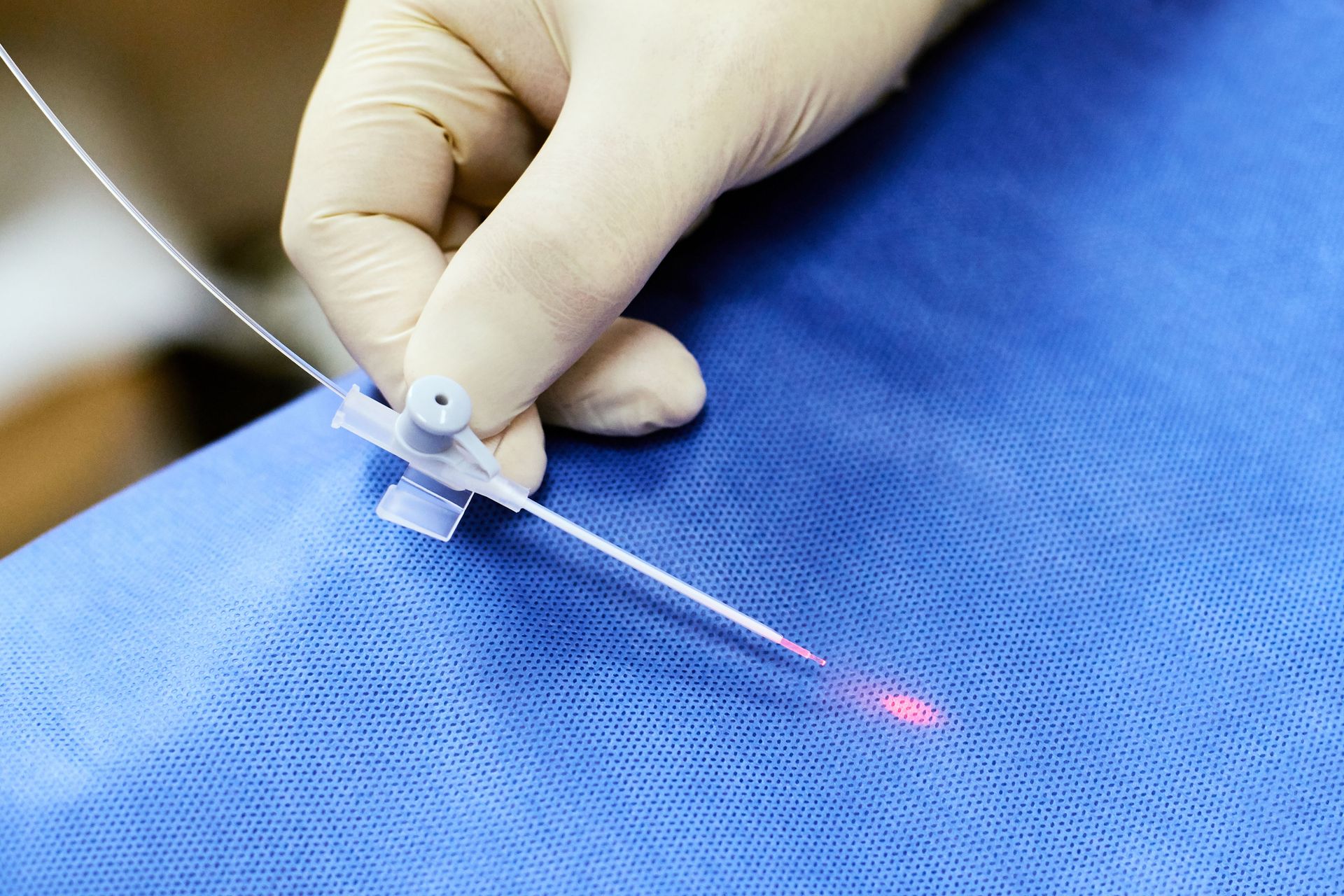
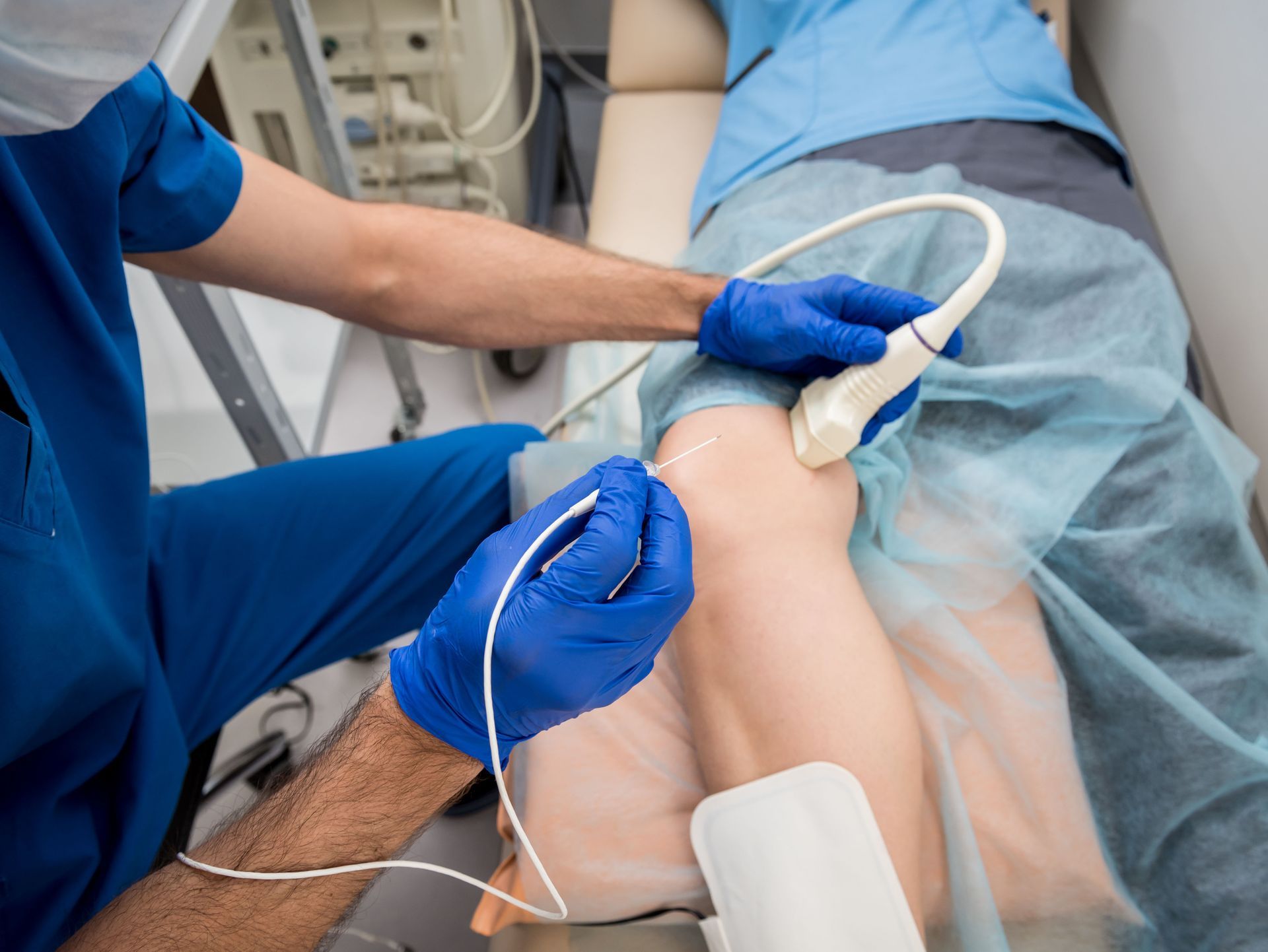
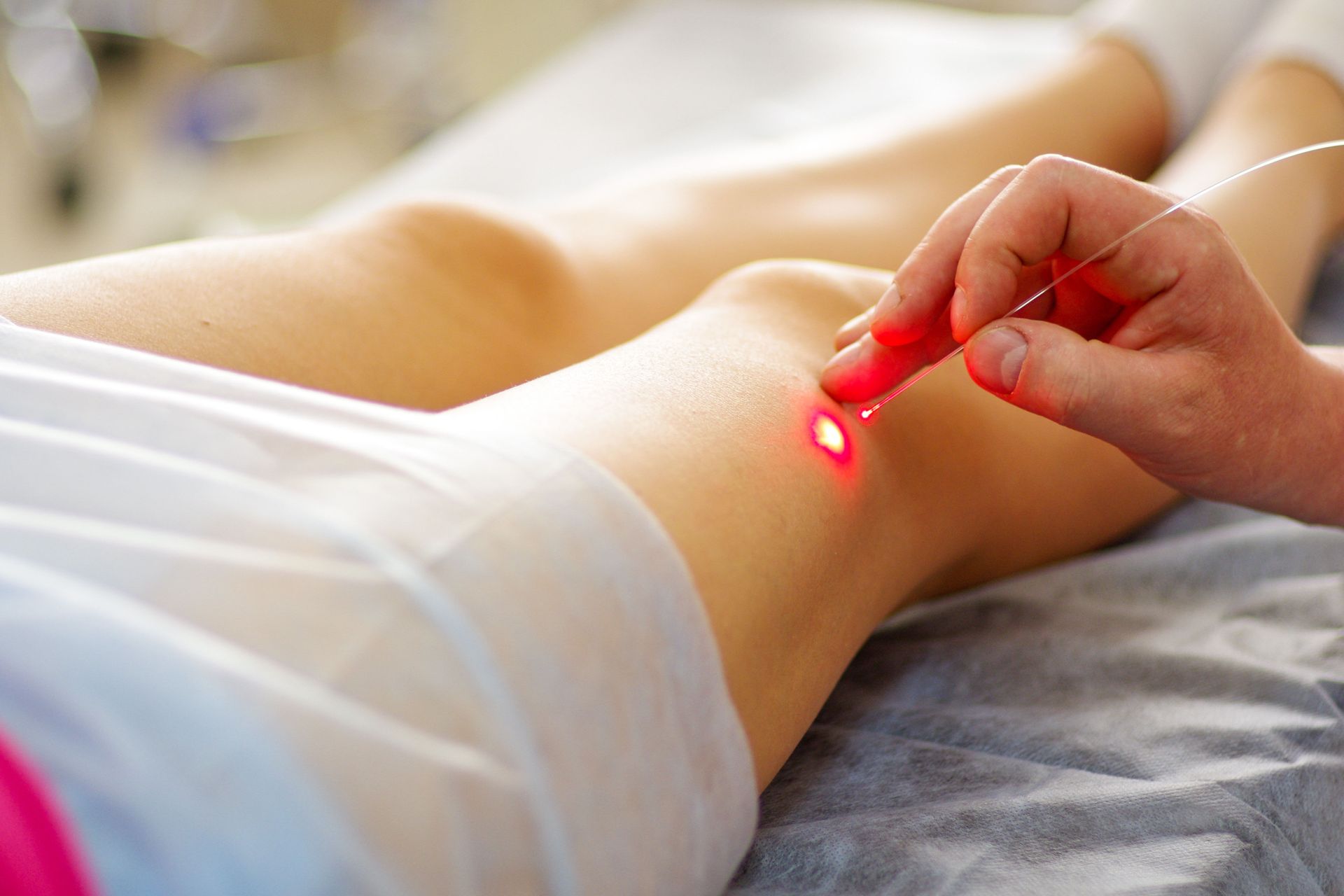
Once the postpartum period concludes and the physical body completes its natural initial healing process, specialized medical options become available for consideration. Advanced medical procedures allow qualified clinicians to target compromised blood vessels directly, safely redirecting blood flow into healthier surrounding pathways. Modern postpartum vein treatments utilize innovative, minimally invasive techniques designed to achieve lasting structural improvement and symptom relief with minimal recovery time, allowing busy new parents to focus fully on caring for their growing family.
Managing Daily Comfort Through Lifestyle Changes
Incorporating simple, effective daily habits into a routine can significantly ease lower body pressure and enhance overall vascular performance. Elevating the legs above heart level several times throughout the day encourages accumulated fluid to drain away from lower limb tissues naturally. Regular low-impact physical activity, such as daily walking or prenatal swimming, engages the calf muscles, which function as natural mechanical pumps to push blood upward toward the heart during movement.
Wearing gradient medical-grade compression stockings provides beneficial external support to vessel walls, aiding healthy circulation and minimizing fluid retention in the ankles and feet. Avoiding prolonged periods of static sitting or standing without movement also prevents blood stagnation in the lower limbs. Combining these proactive lifestyle habits with professional guidance on modern vein treatments ensures comprehensive care for maintaining leg vitality through every phase of motherhood and beyond.
Seeking Professional Care for Long-Term Wellness
While conservative home measures offer valuable everyday comfort, consulting a qualified specialist ensures a complete, accurate evaluation of lower body vascular health. A thorough diagnostic assessment, often utilizing comfortable non-invasive ultrasound imaging technology, allows clinicians to map blood circulation clearly, identify underlying valve insufficiency, and formulate a personalized care plan tailored to individual physical needs and daily activities.
Seeking specialized medical evaluation gives individuals complete clarity regarding the proper timing for clinical intervention. Expert consultation helps distinguish between temporary pregnancy-related changes that will resolve naturally over time and persistent vascular conditions that benefit from specialized medical vein treatments. With skilled clinical guidance, mothers can make informed decisions regarding strategies that restore leg vitality, overall physical well-being, and personal confidence.
Promoting Healthy Circulation for Future Vitality
Maintaining strong vascular health extends far beyond the immediate postpartum period, laying a solid foundation for long-term mobility and physical comfort. Taking proactive steps following pregnancy helps protect lower body blood vessels from ongoing strain, reducing the likelihood of recurring swelling or circulatory sluggishness during future pregnancies or daily activities. Consistently practicing healthy habits such as maintaining active movement, staying properly hydrated, and wearing supportive footwear ensures that your lower extremities remain resilient over time.
Furthermore, ongoing attention to leg health helps individuals stay attuned to subtle physical changes that may require expert guidance down the road. Establishing a supportive relationship with vascular health professionals provides ongoing reassurance and access to modern vein treatments whenever circulatory challenges arise. Prioritizing physical wellness today empowers individuals to enjoy active, comfortable lives while keeping up with the physical demands of parenthood.
Navigating the physical transformations of childbearing requires dedicated attention to overall wellness, including lower body vascular health. By recognizing early signs of vascular strain and adopting supportive lifestyle practices, expectant mothers can effectively manage everyday discomfort and promote healthy circulation. When postpartum recovery is complete, specialized clinical care offers a reliable path toward restoring physical ease, leg aesthetics, and active mobility.
If you are ready for specialized care that restores leg health, contact us at Sun Vein & Vascular today. We will help you discover gentle, effective care options tailored to your personal physical needs and overall lifestyle goals.