June 4, 2026
Spider veins, those small, twisted blood vessels that appear near the surface of the skin, can be both a cosmetic concern and a medical issue. Exploring the reasons to visit a specialized vascular clinic can assure effective treatment, prevention, and care. A better understanding of the multiple benefits of visiting a vascular clinic can help patients make informed decisions about their health care.
1. Comprehensive Diagnosis
Comprehensive diagnosis at a vascular clinic begins with an understanding of the root causes of spider veins. Often, spider veins are linked to underlying venous insufficiency or other vascular conditions that need to be identified. Clinics employ detailed assessments to ensure all contributing factors are considered. Ruling out other conditions is vital for determining an accurate treatment plan. Thus, visiting a vascular clinic allows patients to receive a precise and thorough diagnosis.
An evaluation of an individual’s health history is crucial for understanding any hereditary predispositions or lifestyle factors contributing to spider veins. For instance, a family history of venous issues can increase one’s likelihood of developing similar problems. According to Cleveland Health, women are more likely than men to develop spider veins, and the condition becomes more common after age 80. Women's physiological changes, such as pregnancy and hormonal shifts, often exacerbate the occurrence of these veins. Through comprehensive evaluations, vascular specialists ascertain these risks and factor them into the diagnosis.
Advanced diagnostic tools play a key role in evaluating spider veins, ensuring meticulous assessment. Doppler ultrasounds, for example, help in visualizing blood flow and pinpointing any issues beyond the superficial level. Personalized risk assessments are constructed by combining diagnostic findings with patient history. Clinics then formulate treatment plans based on these evaluations, thereby promoting effective outcomes.
2. Access to Advanced Treatment Options
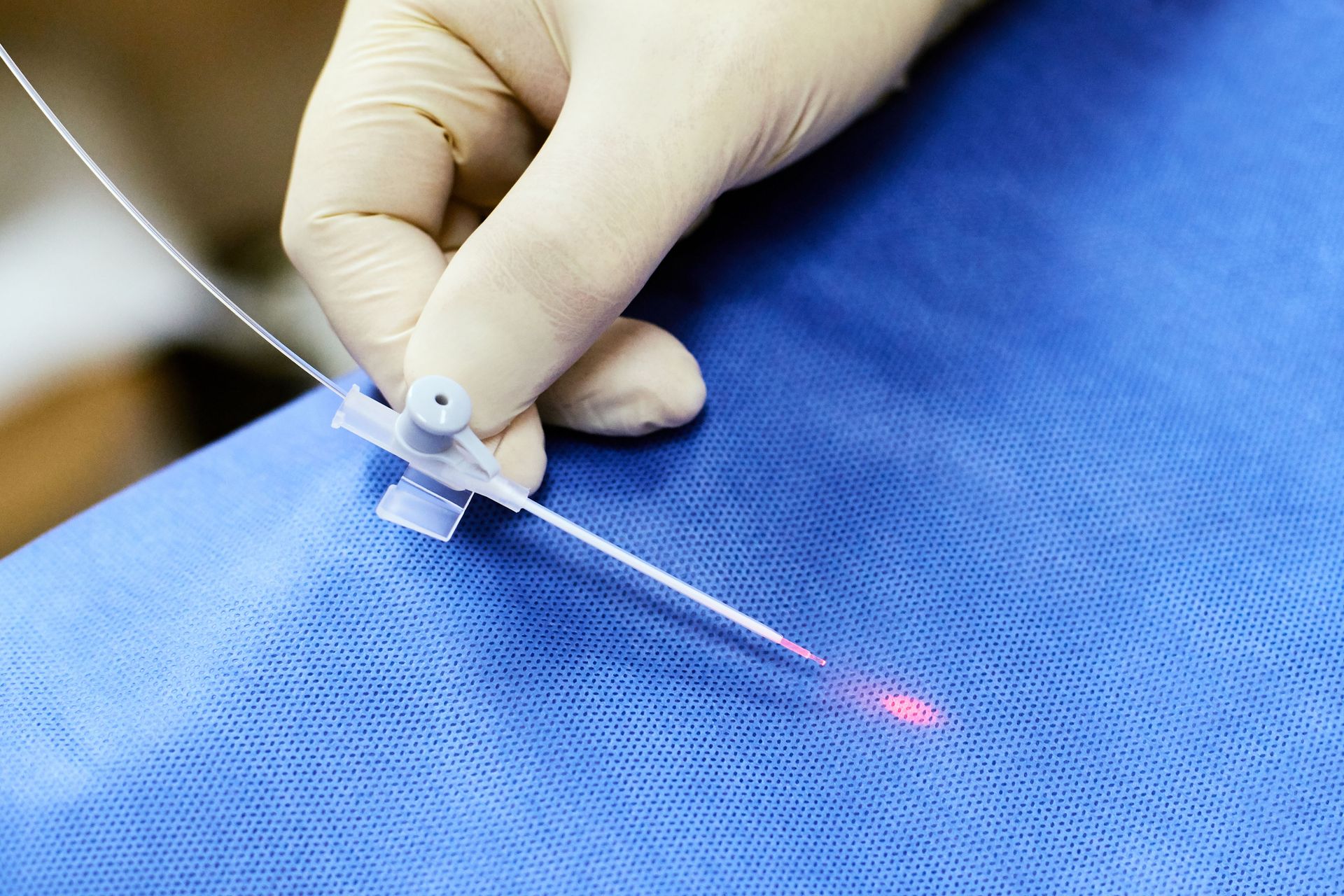
Vascular clinics offer a variety of advanced treatment options that may not be available in general medical practices. Utilizing minimally invasive procedures, these clinics can address spider veins efficiently with lower risk and quicker recovery times. Techniques like endovenous laser treatment (EVLT) and radiofrequency ablation (RFA) target veins with precision and minimal discomfort. Such options ensure that patients have a suite of treatment modalities at their disposal. Offering multiple approaches allows for tailored solutions for individual patient needs.
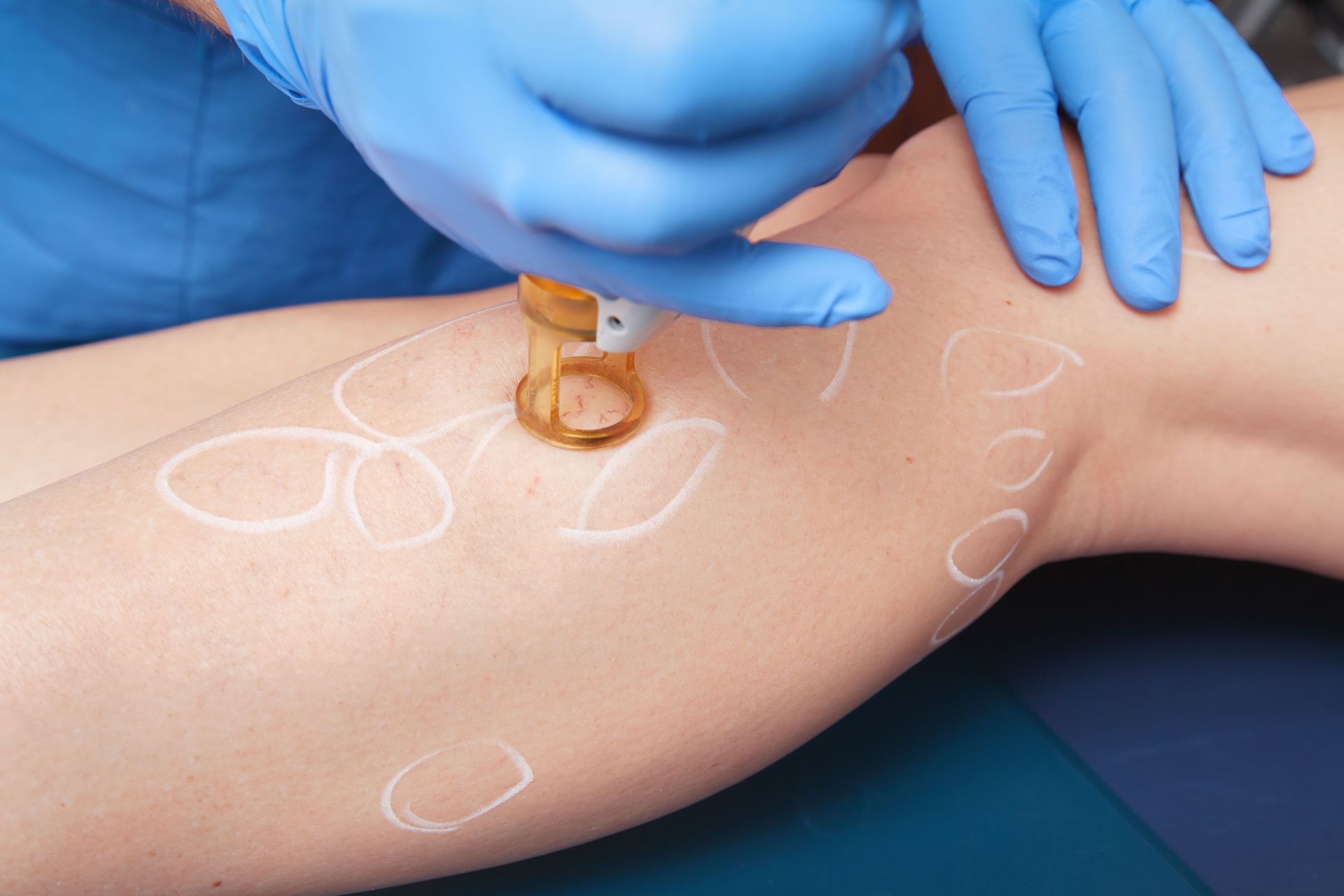
Laser therapy has become a popular choice for treating spider veins due to its precision and efficacy. The procedure involves focusing a concentrated beam of light on the vein, causing it to slowly fade and disappear. This method is particularly useful for smaller veins and those challenging to reach with traditional methods. Clinics may couple laser therapy with other treatments, like sclerotherapy, to enhance overall results. By customizing treatment strategies, vascular specialists can significantly improve cosmetic and health outcomes for patients.
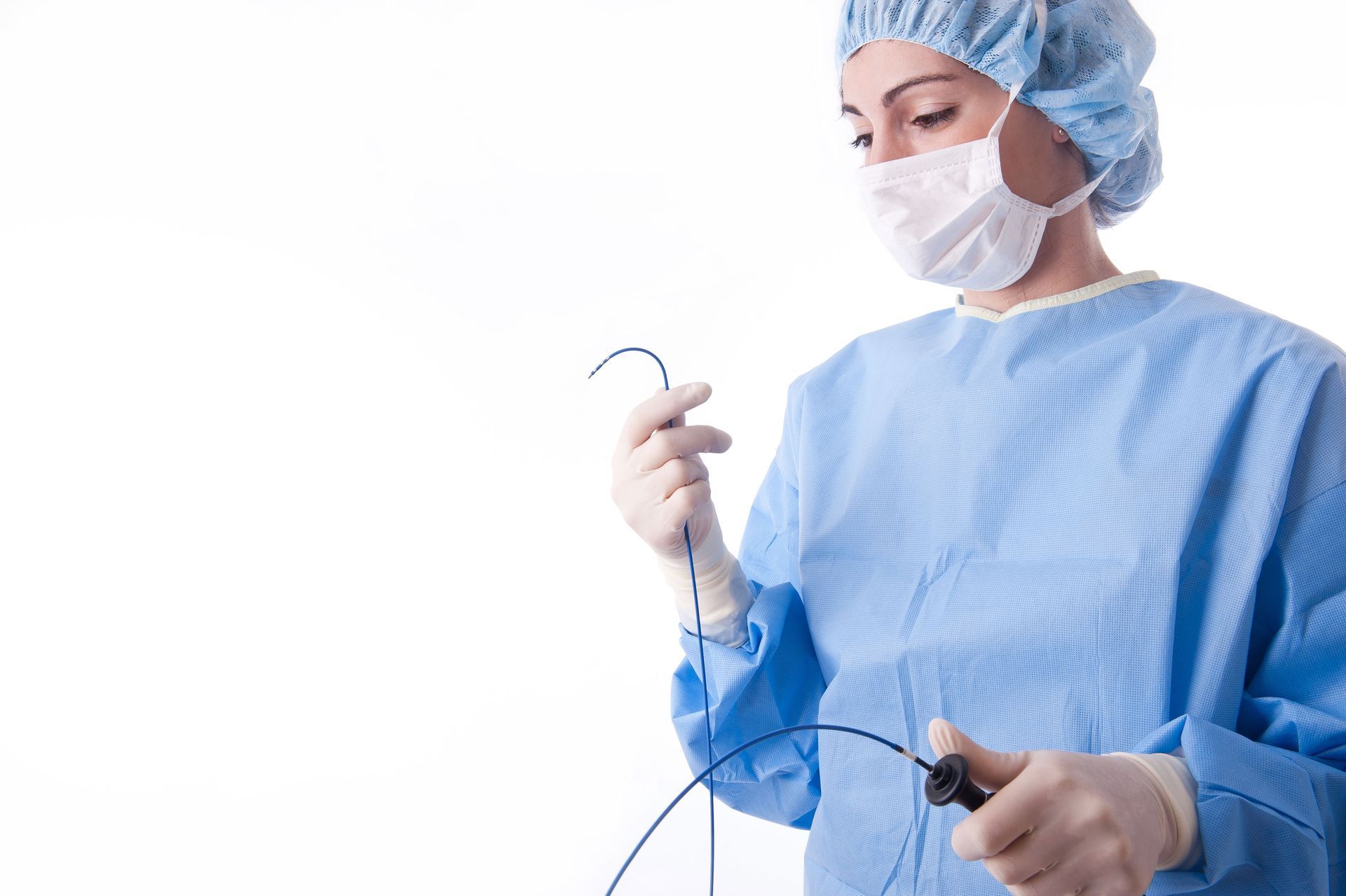
Sclerotherapy, another common procedure, involves injecting a solution into affected veins, causing them to collapse and be reabsorbed by the body. This time-tested technique is especially effective for larger spider veins and can be performed quickly with minimal downtime. Catheter-based ablations serve as another option for more significant vascular issues, emphasizing the versatility and comprehensiveness of care available. Vascular clinics’ access to innovative procedures allows for a precise, patient-centered approach.
3. Expert Medical Team
The expertise of a medical team within a vascular clinic is a crucial factor for effective treatment outcomes. Vascular specialists are highly trained professionals, often with extensive experience in treating venous diseases. Their qualifications include board certifications and specialized training focused on vascular health, ensuring a high standard of care. Moreover, continuous professional development among these specialists means they remain up-to-date with the latest medical advancements. Entrusting your care to an expert team improves the likelihood of successful treatment.
A multi-disciplinary approach characterizes the service at a well-rounded vascular clinic, combining knowledge from various fields. Collaboration between vascular surgeons, radiologists, and other specialists ensures comprehensive care. This approach allows patients to benefit from a wide pool of expertise, enhancing care quality. Continuous exchange of knowledge among team members promotes effective treatment planning and execution. Vascular clinics' ability to provide gender-specific care also caters to the higher incidence rate among women, offering targeted solutions for their unique physiological challenges.
Patient-centered care constitutes the core of a vascular clinic’s practice, emphasizing empathy and patient involvement in treatment decisions. High standards of practice are maintained through rigorous protocols and systematic procedures. This environment fosters trust and comfort, encouraging patients to actively participate in their health care journey. The clinic’s dedication to ongoing learning and skill enhancement underlines its commitment to patients. Consequently, patients enjoy a supportive atmosphere that empowers them to achieve optimal health results.
4. Monitoring and Follow-Up Care
Effective management of spider veins extends beyond immediate treatment, requiring continued monitoring to ensure long-term success. Vascular clinics excel in providing systematic follow-up care, scheduling regular appointments to evaluate treatment progress. This vigilance helps in identifying any recurrence early, facilitating timely interventions. Long-term monitoring allows for continuous assessment and adjustment of strategies as needed. Such ongoing attention is pivotal in achieving sustained improvements in vascular health.
Follow-up care includes adjusting treatment plans based on the patient's progress and response to therapies. Personalized treatment adjustments maximize the benefits of interventions while addressing new or persistent issues. For instance, lifestyle recommendations may be revised to enhance therapeutic outcomes. Comprehensive aftercare support underscores a clinic’s commitment to patient health by encouraging adherence to treatment plans. Guidance on wellness strategies and preventive measures forms part of this holistic monitoring approach.
Providing patients with lifestyle recommendations is another integral component of follow-up care at vascular clinics. These recommendations often include advice on exercise, nutrition, and other health-promoting behaviors. The guidance is tailored based on individual risk factors, ensuring suitability and effectiveness. Such lifestyle modifications can significantly lower the chance of spider veins returning. An educational component empowers patients in self-management, enhancing their understanding of vascular health and preventive measures.
5. Prevention and Education
Prevention and education are cornerstones of vascular health care provided by specialized clinics. Informing patients about the causes and risk factors of spider veins helps in mitigating their onset. Educational resources such as informational pamphlets, seminars, and workshops boost awareness and understanding. With greater knowledge, patients can adopt proactive measures to maintain vascular health. Preventive strategies also mitigate potential future complications, promoting overall wellness.
Educational workshops and resources serve as fundamental tools for engaging patients in their care journeys. Workshops may cover a range of relevant topics, from understanding the impact of lifestyle habits on vascular health to practical tips for skin care. Clinics often host these sessions as part of their community outreach efforts, fostering an informed patient base. Equipping patients with knowledge instills confidence in taking charge of their health. Through education, vascular clinics empower patients, positively influencing health behaviors and outcomes.
Strategies for the prevention of spider veins focus on incorporating health-promoting habits into daily life. Understanding lifestyle modifications, such as maintaining a healthy weight, regular exercise, and elevating legs when at rest, plays a role in minimizing risk. These measures address circulatory health, which is critical in preventing venous issues. By recommending specific strategies, vascular clinics help patients safeguard against recurrence and deterioration of their condition.
6. Enhanced Patient Trust and Confidence
The establishment of trust and confidence between patients and vascular specialists is a key advantage of visiting a specialized clinic. Building a relationship with vascular experts encourages open communication and eases patient apprehensions. Transparent communication is vital for patients to feel understood and valued, promoting adherence to treatment protocols. This trust allows specialists to deliver care that respects patient preferences while maintaining high medical standards. Consequently, patients report greater satisfaction with their health care experiences.
Commitment to patient satisfaction remains a central tenet of reputable vascular clinics. Efforts to ensure satisfaction involve soliciting feedback and continuously refining care practices. By prioritizing patient needs and fostering a nurturing environment, clinics enhance the overall healthcare experience. This commitment builds an enduring bond between clinic and patient, reinforcing confidence in the care provided. Trust, bolstered by consistent, patient-centered care, enhances the likelihood of successful outcomes and patient advocacy.
Visiting a vascular clinic for spider veins not only addresses cosmetic concerns but also enhances individuals' vascular health through professional diagnosis, treatment, and prevention strategies. By leveraging the expertise of specialized vascular clinics, patients can ensure they receive comprehensive care tailored to their unique needs, leading to better health outcomes and improved quality of life. To learn more or get started on your treatment, reach out to Sun Vein & Vascular today.