June 15, 2026
Maintaining optimal circulatory health is a critical component of overall well-being. Many individuals experience uncomfortable symptoms like leg heaviness, swelling, or visible spider veins without realizing that specialized medical facilities exist to address these exact issues. When symptoms begin interfering with daily activities, seeking professional evaluation becomes essential. Patients often feel apprehensive about stepping into unfamiliar medical environments, especially when they are unsure about the procedures and evaluations awaiting them. Gathering knowledge about the standard patient journey can significantly alleviate anxiety and help individuals feel prepared.
Specialized medical centers focus entirely on diagnosing and treating conditions related to the circulatory system. Visiting vascular clinics provides patients with access to dedicated experts who understand the complex network of veins and arteries functioning throughout the human body. From preliminary symptom discussions to advanced imaging and comprehensive therapy plans, these facilities offer structured pathways to better health. By knowing exactly what happens during each phase of a visit, patients can actively participate in their healing process.
Understanding the Initial Assessment
Entering a specialist facility for an evaluation typically begins with a comprehensive review of medical history. Reception staff will gather necessary documentation, ensuring all background information is accurately recorded. Patients should arrive prepared to detail their symptoms, including when the discomfort started and what activities exacerbate the pain. Providing thorough details allows the medical staff to build a complete picture of the patient's circulatory health.
Following the preliminary paperwork, patients are escorted to an examination room to meet with a specialist. This conversation serves as a fundamental part of the diagnostic process. The physician will ask detailed questions about lifestyle, family history of circulatory issues, and previous medical interventions. Establishing open communication during this phase ensures that the provider fully grasps the impact the symptoms have on the patient's quality of life.
After the verbal history is collected, the physician will conduct a physical examination. This typically involves inspecting the legs or affected areas for visible signs of disease, such as bulging veins, skin discoloration, or swelling. The specialist may gently press on various areas to check for tenderness or to assess blood flow superficially. This hands-on evaluation helps the doctor determine which specific diagnostic tests are necessary to pinpoint the underlying issue.
Understanding the prevalence of circulatory issues often helps patients feel less isolated in their struggles. According to UCHealth Today, about one in four American adults has chronic venous insufficiency. This significant statistic highlights why seeking professional evaluation is so common and necessary. Recognizing that these conditions affect countless individuals emphasizes the importance of specialized care facilities.
Navigating the Diagnostic Testing
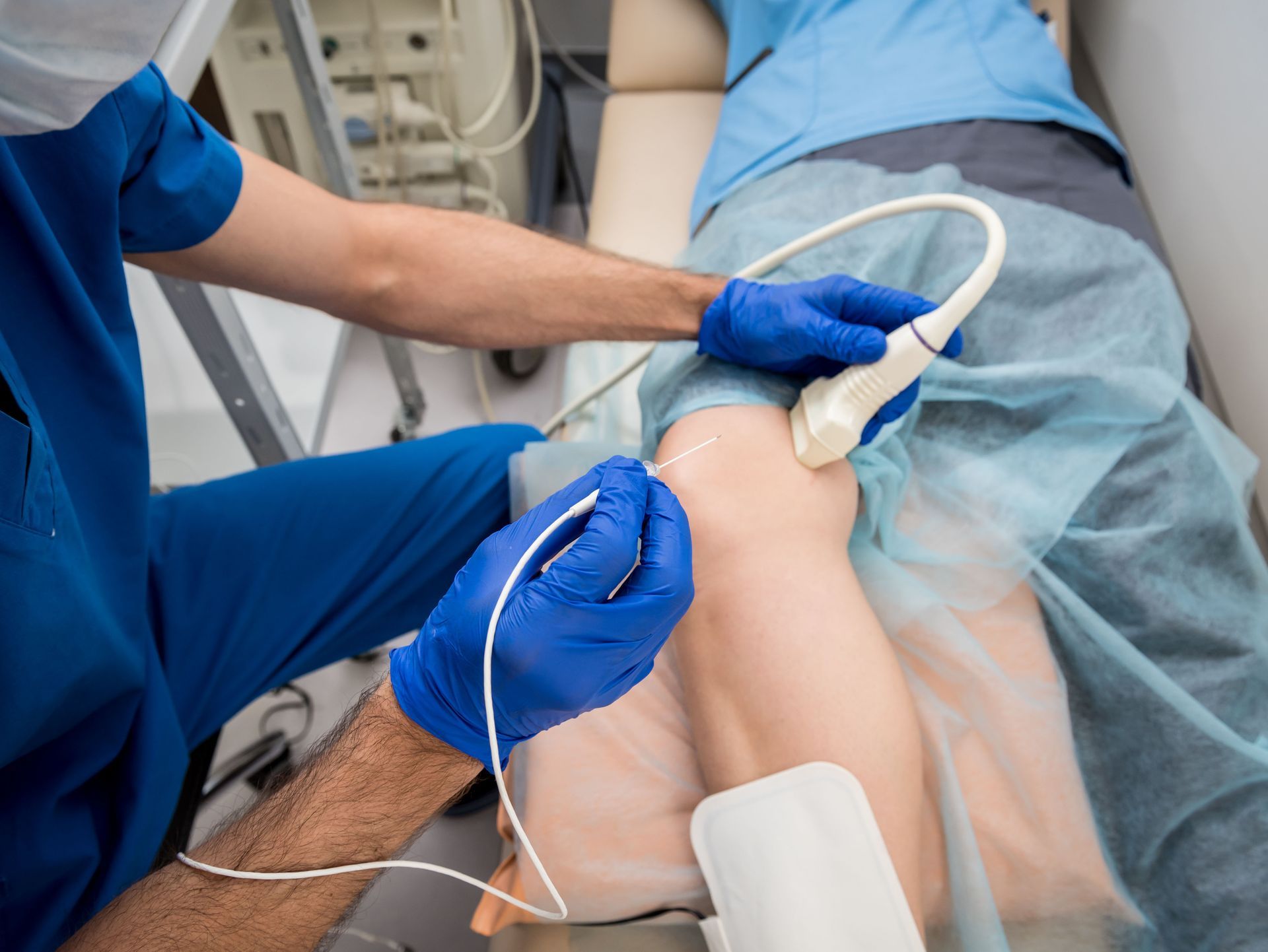
After the physical examination concludes, the subsequent phase usually involves specialized imaging to observe the internal structures. Many vascular clinics utilize advanced ultrasound technology to visualize blood flow in real-time. This non-invasive imaging technique allows technicians to map out the veins and arteries, identifying blockages, backward flow, or other abnormalities. Patients simply lie comfortably on an examination table while the technologist glides a small device over the skin.
The ultrasound procedure is completely painless and requires no special preparation. Technicians apply a clear gel to the skin, which helps transmit sound waves safely through the tissues. As the probe moves along the leg or affected area, images appear on a monitor, providing immediate visual feedback. Patients might hear a rhythmic whooshing sound, which is simply the audio representation of blood moving through the vessels.
During the imaging session, the technologist carefully documents specific measurements and flow patterns. They look for areas where valves might be failing to push blood back toward the heart efficiently. By capturing these precise details, the technician creates a comprehensive map of the circulatory system. This detailed map is crucial for the physician, as it highlights exactly where interventions might be required.
After the imaging is complete, patients typically return to the consultation room to discuss the findings. The physician reviews the ultrasound results, explaining the visual data in clear, understandable terms. Seeing the images often helps patients visualize their condition, making the medical jargon much more accessible. This transparent sharing of information forms the foundation for developing a customized therapy strategy.
Exploring the Treatment Options
With a definitive diagnosis established, the focus shifts toward formulating a personalized therapy plan. The specialist will outline all available pathways, taking into account the severity of the condition and the patient's personal preferences. Sometimes, conservative management is the most appropriate starting point. This might include prescribing graduated compression stockings, recommending regular exercise routines, or suggesting specific dietary adjustments to promote better circulation.
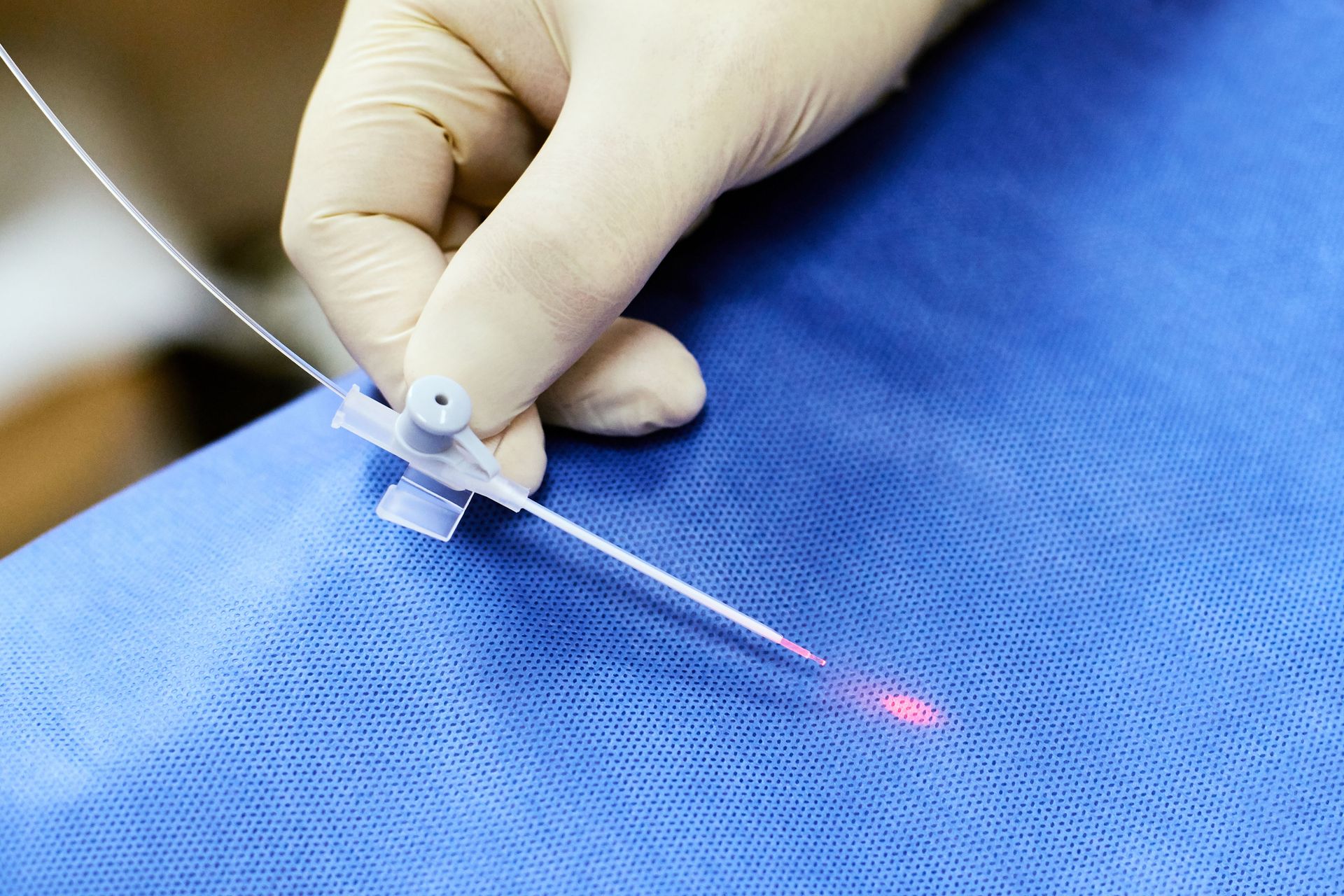
If conservative measures are insufficient, the physician may recommend minimally invasive procedures. Modern medical advancements have revolutionized how these conditions are managed. Treatments such as endovenous thermal ablation or sclerotherapy can often be performed right in the office. These procedures are designed to close off diseased veins, rerouting blood flow to healthier vessels naturally.
Discussing the mechanics of these procedures helps demystify the process for patients. For example, thermal ablation uses heat energy to seal a problematic vein, while sclerotherapy involves injecting a specialized solution to achieve the same goal. The physician will carefully explain the benefits and potential side effects of each method. Patients are encouraged to ask questions, ensuring they feel entirely comfortable with the proposed course of action.
A crucial part of exploring therapies is understanding the expected recovery timeline. Most modern interventions performed at vascular clinics require minimal downtime. Patients can frequently return to their normal daily activities almost immediately following a procedure. The medical team provides detailed instructions on post-procedure care, ensuring a smooth and uncomplicated healing phase.
Managing the Ongoing Care
Completing a procedure does not mark the end of the patient journey; rather, it initiates the follow-up phase. Attending scheduled follow-up appointments is vital for monitoring healing and confirming the success of the intervention. During these visits, the specialist may perform another ultrasound to ensure the treated vein remains closed and that blood is flowing efficiently through healthy channels.
Circulatory health requires ongoing vigilance even after successful therapy. Some individuals may develop new problem areas over time due to genetic predispositions or lifestyle factors. Establishing a sustained relationship with the medical staff ensures that any new symptoms are addressed promptly before they escalate into major issues. Regular check-ins provide peace of mind and continuous support for patients striving to maintain optimal health.
Sustaining the results of medical interventions heavily relies on implementing permanent lifestyle adjustments. Medical professionals often advise patients to incorporate daily walking, elevate their legs when resting, and maintain a healthy body weight. These habits reduce unnecessary pressure on the circulatory system and promote efficient blood return. Education is a powerful tool, and patients leave their appointments armed with actionable strategies to protect their health.
Effective ongoing care thrives on transparent and continuous communication between the patient and the healthcare team. Patients should never hesitate to reach out if they experience unexpected discomfort or notice changes in their symptoms. The dedicated staff at top-tier vascular clinics are always available to address concerns and modify care plans as needed. This collaborative approach guarantees that patients receive the highest standard of care long after their initial consultation.
Embarking on a journey toward improved circulatory wellness does not have to be an intimidating experience. By understanding the typical progression of evaluations, diagnostics, therapies, and follow-ups, patients can approach their health challenges with confidence. Specialized medical environments are designed specifically to guide individuals through each phase smoothly and professionally. A clear understanding of the process empowers individuals to advocate for their own health and actively participate in medical decisions.
Taking proactive steps to address circulatory discomfort can dramatically improve overall quality of life. The comprehensive care provided by modern vascular clinics ensures that every patient receives personalized attention tailored to their unique needs. Whether managing minor aesthetic concerns or addressing significant medical conditions, these specialized facilities offer effective solutions. Utilizing vascular clinics paves the way for healthier legs and a more active, comfortable future. If you're ready to experience the comprehensive care detailed above, contact Sun Vein & Vascular today. As one of the premier vascular clinics in the region, our team is ready to evaluate your symptoms and design a personalized plan to improve your circulatory health.