June 17, 2026
Managing your circulatory system is a vital component of long term wellness that directly impacts your longevity and day to day vitality. The network of blood vessels that stretches throughout your body is responsible for transporting oxygen, distributing essential nutrients, and removing cellular waste products. When this intricate pathway operates efficiently, your body experiences optimal energy levels and organ functionality. However, when blockages, narrowing, or structural weaknesses occur within these vessels, your overall health can face serious and immediate threats. Addressing these issues before they escalate is the main purpose of specialized medical intervention, which focuses on maintaining proper blood flow and structural integrity.
By familiarizing yourself with available medical solutions, you can take control of your well-being and protect your body against progressive damage. Modern medicine provides highly sophisticated diagnostic techniques and advanced therapeutic interventions designed to address circulation issues at every stage. Utilizing professional vascular services ensures that you receive a comprehensive evaluation and an individualized management plan tailored to your specific physiological needs.
Understanding Circulatory Complications
The human circulatory system is susceptible to a wide range of conditions that can impair normal blood flow and damage vessel walls. Peripheral artery disease, aneurysms, varicose veins, and deep vein thrombosis represent just a few of the complex issues that can develop over time. These conditions often develop gradually, sometimes showing no noticeable symptoms until a major blockage or structural failure occurs. According to Cleveland Health, women are more likely than men to develop spider veins, and the condition becomes more common after age 80. Regular screenings and proactive management can significantly aid in the early detection and treatment of these diseases.
Left unmanaged, these circulatory issues can culminate in catastrophic events such as strokes, heart attacks, or severe tissue loss that necessitates major surgical intervention. Factors like advancing age, genetic predispositions, high blood pressure, and chronic conditions like diabetes further elevate the risk of developing these issues. Recognizing the warning signs and undergoing routine medical evaluations are key steps in mitigating these risks before irreversible damage takes place. By utilizing dedicated vascular services, individuals can identify hidden vascular narrowing or structural degradation, allowing for timely medical oversight and targeted therapeutic support.
Utilizing Modern Diagnostics
Accurate identification of circulatory problems requires sophisticated diagnostic methodologies that allow physicians to view your blood vessels and assess flow dynamics clearly. Modern healthcare facilities utilize a combination of non-invasive physiological tests, advanced cross-sectional imaging, and precise laboratory assessments to build a complete profile of your circulatory health. Tests like the ankle brachial index and duplex ultrasound examinations allow specialists to measure blood pressures at different points in your limbs and view real time blood movement without any discomfort.
When more detail is required, advanced imaging options like magnetic resonance angiography, computed tomography scans, and traditional angiography provide high resolution, three-dimensional views of the entire network. These imaging tools allow medical specialists to pinpoint the exact location of blockages, measure the size of aneurysms, and plan highly precise interventions. Laboratory screenings further complement these visual tests by tracking biochemical markers, lipid balances, and clotting factors that influence vessel health.
Employing Medical Therapies
Once a circulatory issue is diagnosed, medical professionals have an array of therapeutic interventions at their disposal to manage symptoms and halt disease progression. Pharmaceutical management frequently serves as the first line of defense, utilizing advanced medications to optimize blood parameters and protect vessel linings. Patients may be prescribed specialized antiplatelet therapies, anticoagulants, cholesterol-lowering agents, or blood pressure medications to reduce the likelihood of clot formation and minimize stress on arterial walls.
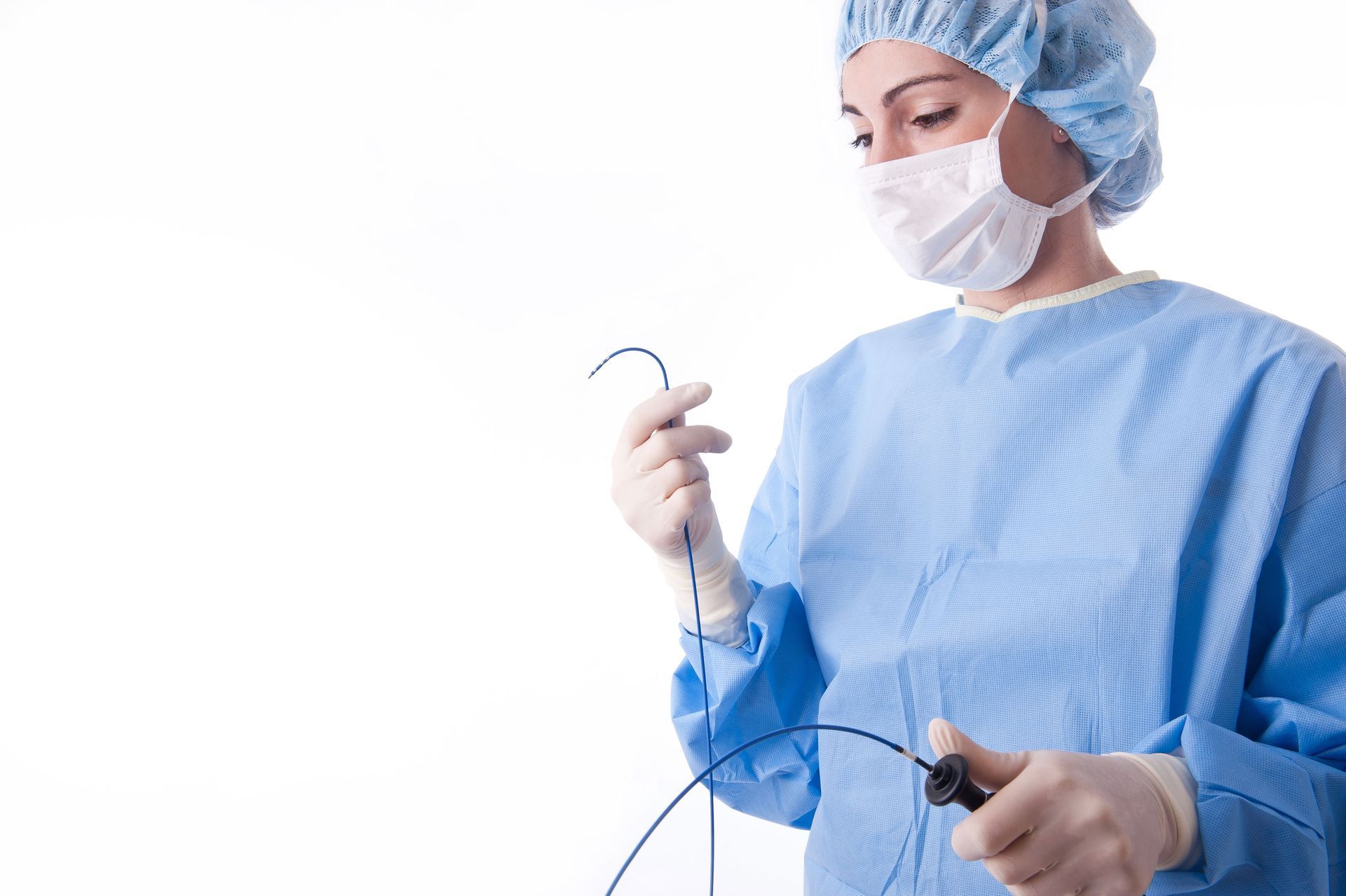
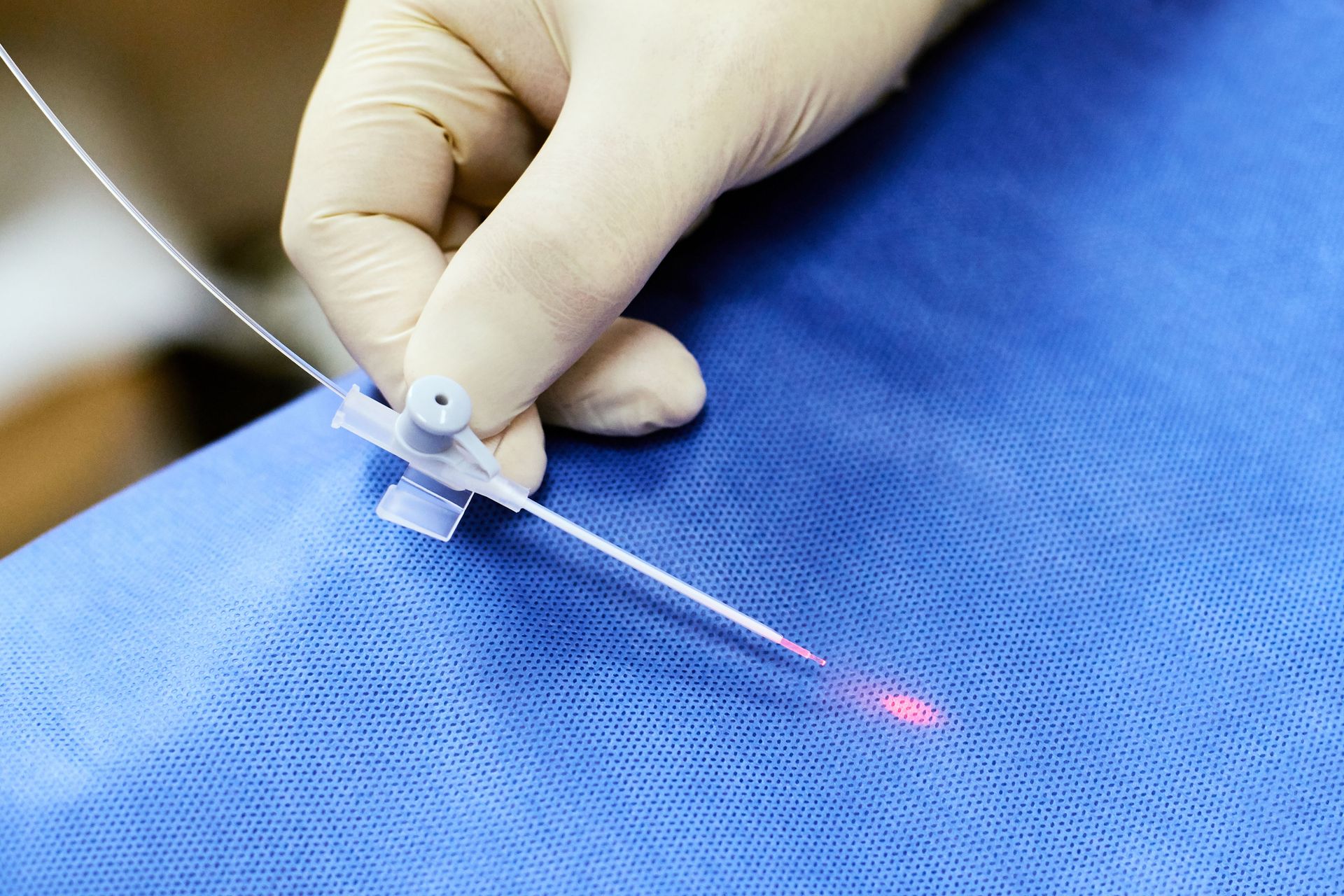
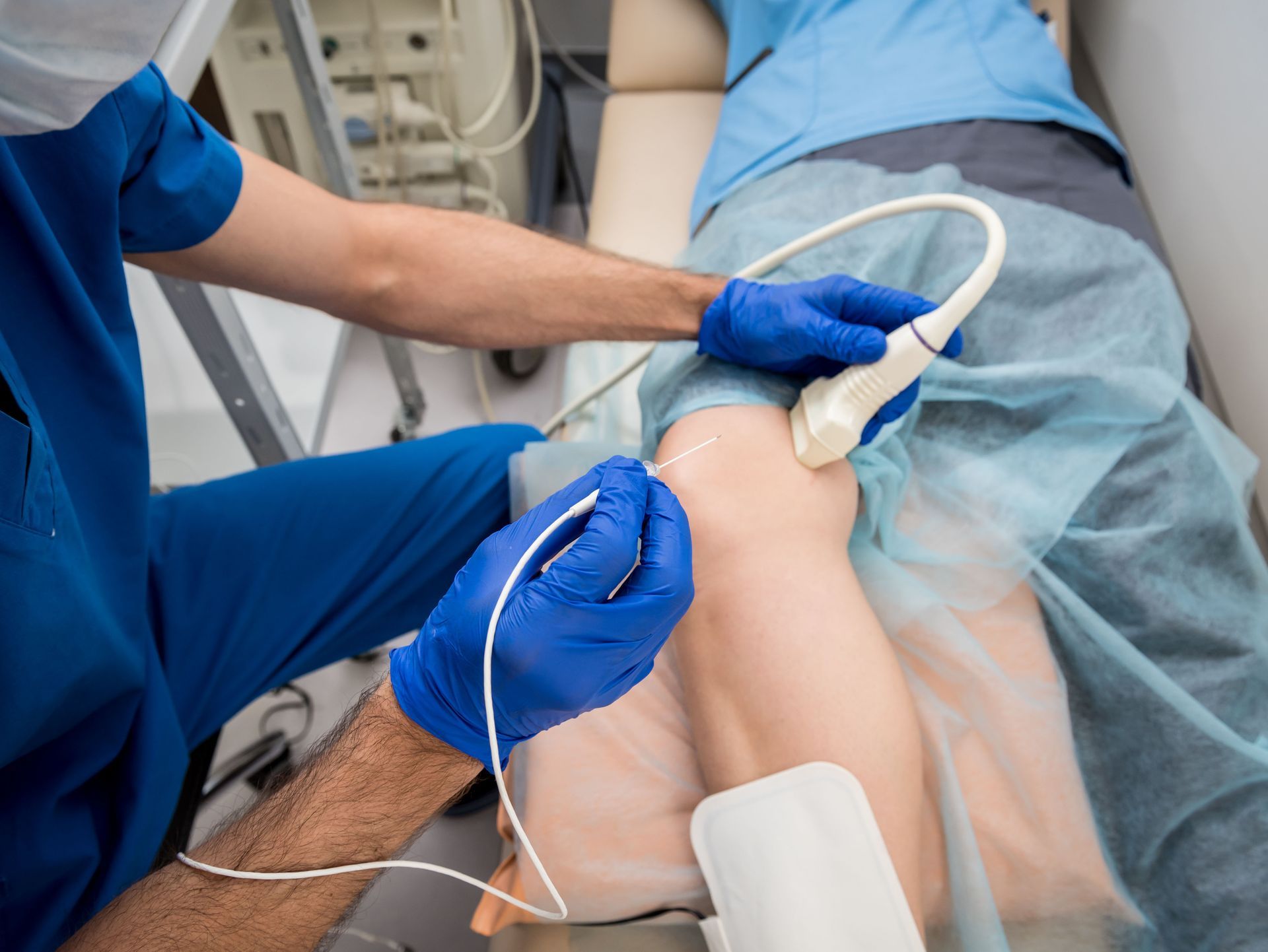
When pharmaceutical management alone is insufficient to restore proper circulation, specialists can look toward highly advanced interventional procedures. Specialized vascular services encompass a broad range of minimally invasive options, including balloon angioplasty, stenting, and endovascular aneurysm repair, which require only tiny incisions and offer remarkably fast recovery times. For complex or advanced cases, traditional open surgical procedures like bypass grafting or endarterectomy remain highly effective methods to directly clear obstructions or redirect blood flow around damaged sectors.
Implementing Lifestyle Adjustments
While medical and surgical interventions are essential for correcting structural issues, daily habits play an equally critical role in supporting long term circulatory health. Implementing a structured exercise regimen that includes low impact cardiovascular activities like walking, swimming, or cycling helps stimulate blood flow and naturally strengthens vessel walls. Regular physical movement assists in managing systemic blood pressure, optimizing cholesterol ratios, and promoting the development of collateral circulation paths.
Nutritional habits and substance choices are also major determining factors in how well your circulatory network functions over time. Transitioning to a balanced diet rich in leafy greens, lean proteins, and heart healthy fats while eliminating processed foods and trans fats directly reduces plaque accumulation within your arteries. Eliminating nicotine usage is another absolute necessity, as smoking introduces harmful toxins that directly damage the delicate inner lining of your blood vessels and accelerates arterial hardening.
Partnering With Clinical Specialists
Navigating chronic circulatory conditions requires a sustained, collaborative relationship with highly trained medical experts who specialize in vessel health. Specialists such as vascular surgeons, interventional cardiologists, and specialized radiologists possess the precise expertise required to manage complex blood flow disorders over many years. Establishing a long term care plan with these professionals guarantees that your condition will be monitored continuously, allowing for quick adjustments to your therapies as your body changes.
Being an active participant in your healthcare journey involves staying well-informed about your diagnosis and understanding the full scope of your treatment options. Open, transparent communication with your medical team ensures that you can make confident, educated decisions regarding your daily care routines and upcoming medical procedures. Specialized healthcare teams provide the educational resources, guidance, and clinical oversight necessary to help you navigate your condition with confidence and peace of mind.
Embracing Advanced Technologies
The field of medicine is continuously evolving, with remarkable technological breakthroughs constantly improving how circulatory disorders are diagnosed and treated. Recent innovations have introduced high resolution portable diagnostic tools and sophisticated software platforms that allow for faster, more accurate evaluations than ever before. Artificial intelligence is also beginning to play a transformative role, helping clinicians analyze complex imaging datasets, predict disease paths, and customize treatment plans with extreme precision.
In addition to diagnostic breakthroughs, emerging therapeutic options are expanding the possibilities for patients dealing with advanced circulatory diseases. The development of next generation drug eluting stents, bioabsorbable vascular grafts, and novel pharmaceutical compounds offers fresh hope for individuals facing complex blockages or fragile vessel structures. Telemedicine and remote monitoring systems are also changing the patient experience, allowing individuals to transmit vital health data to their care teams and consult with specialists from the comfort of home. As these advanced technologies continue to mature, the delivery of comprehensive vascular services becomes increasingly personalized, efficient, and accessible for patients worldwide.
The long term health of your circulatory system should never be left to chance, as proactive management is the most effective way to prevent debilitating cardiovascular events. Investing time and energy into routine clinical screenings, early diagnostic testing, and professional guidance allows you to address subtle vessel changes before they impact your daily independence. Relying on specialized medical teams ensures that you have access to cutting edge therapies and customized lifestyle plans that protect your physical well-being.
If you are experiencing symptoms like persistent leg pain, numbness, non healing wounds, or unusual swelling, it is imperative to seek expert care immediately. Navigating these complex health challenges requires the insight of dedicated professionals who can design a safe, effective roadmap for your recovery. Do not wait for minor circulatory discomforts to escalate into life altering health complications. Contact the expert team at Sun Vein & Vascular today to learn more about our comprehensive vascular services and schedule your personalized circulation screening.