May 4, 2026
Varicose veins are a common condition that affects millions of people, often appearing as swollen, twisted veins just beneath the surface of the skin. While they are frequently seen as a cosmetic concern, varicose veins can also signal underlying circulatory issues that may worsen over time if left untreated. Many individuals delay seeking medical attention because they assume the condition is harmless or simply part of aging, but this mindset can lead to unnecessary discomfort and complications.
Understanding when to seek professional care is essential for protecting your vascular health and maintaining your overall well-being. From persistent pain to visible skin changes, certain symptoms indicate that it’s time to consult a specialist. Early evaluation not only helps prevent complications but also opens the door to a range of effective vein treatments that can improve both function and appearance.
Recognizing Early Warning Signs
One of the most important steps in managing varicose veins is recognizing the early signs that something may be wrong. While visible bulging veins are the most obvious indicator, other symptoms often develop before or alongside these changes. These can include aching, heaviness in the legs, swelling, and fatigue after long periods of standing or sitting. Many people dismiss these symptoms as normal, but they can be early indicators of venous insufficiency.
As the condition progresses, symptoms may become more persistent and noticeable. You might experience throbbing pain, muscle cramping, or a burning sensation in the affected areas. These discomforts can interfere with daily activities and reduce your quality of life. Ignoring these warning signs can allow the condition to worsen, making treatment more complex later on.
Another key sign to watch for is swelling in the lower legs and ankles, especially at the end of the day. This swelling occurs when blood pools in the veins instead of circulating efficiently. Over time, this can lead to increased pressure within the veins, further exacerbating the problem. Seeking early evaluation can help determine whether intervention is necessary.
By addressing symptoms early, patients can explore minimally invasive vein treatments that are often more effective and require less recovery time. Early action not only alleviates discomfort but also helps prevent long-term complications associated with untreated varicose veins.
Realizing When Symptoms Become More Serious
While mild symptoms may be manageable at first, there comes a point when varicose veins require medical attention. Persistent pain that does not improve with rest or elevation is one of the clearest indicators that it’s time to see a specialist. This type of pain can signal worsening vein function and should not be ignored.
Skin changes around the affected veins are another red flag. Discoloration, dryness, or thickening of the skin may indicate advanced venous disease. In some cases, the skin can become fragile and prone to injury, increasing the risk of infection. These changes suggest that the condition is progressing and requires professional evaluation.
In more severe cases, individuals may develop venous ulcers—open sores that typically form near the ankles. These ulcers can be difficult to heal and often require specialized care. If you notice any wounds that do not heal properly, it is essential to seek medical attention promptly to avoid complications.
At this stage, specialists can recommend targeted vein treatments designed to address the underlying cause of the problem. These interventions not only improve symptoms but also reduce the risk of further complications, helping patients regain comfort and mobility.
Understanding Risk Factors and Prevalence
Varicose veins do not develop in isolation; several risk factors can increase your likelihood of experiencing this condition. Genetics plays a significant role, meaning that if your family members have varicose veins, you may be more susceptible. Age is another factor, as vein elasticity and valve function tend to decline over time.
Lifestyle choices also contribute to the development of varicose veins. Prolonged standing or sitting, lack of physical activity, and excess weight can all place additional strain on the veins. Occupations that require long hours on your feet or at a desk can exacerbate symptoms and accelerate progression.
Hormonal changes, particularly during pregnancy, menopause, or while taking hormonal medications, can also affect vein health. These changes can weaken vein walls and valves, making it easier for blood to pool. Understanding these factors can help individuals take preventive measures and recognize when symptoms warrant attention.
According to MDPI, 10% to 30% of people around the world have lower extremity varicose veins. This widespread prevalence highlights the importance of awareness and timely care. With such a significant portion of the population affected, advancements in vein treatments have made it easier than ever to address the condition effectively and safely.
Identifying the Benefits of Seeing a Vein Specialist
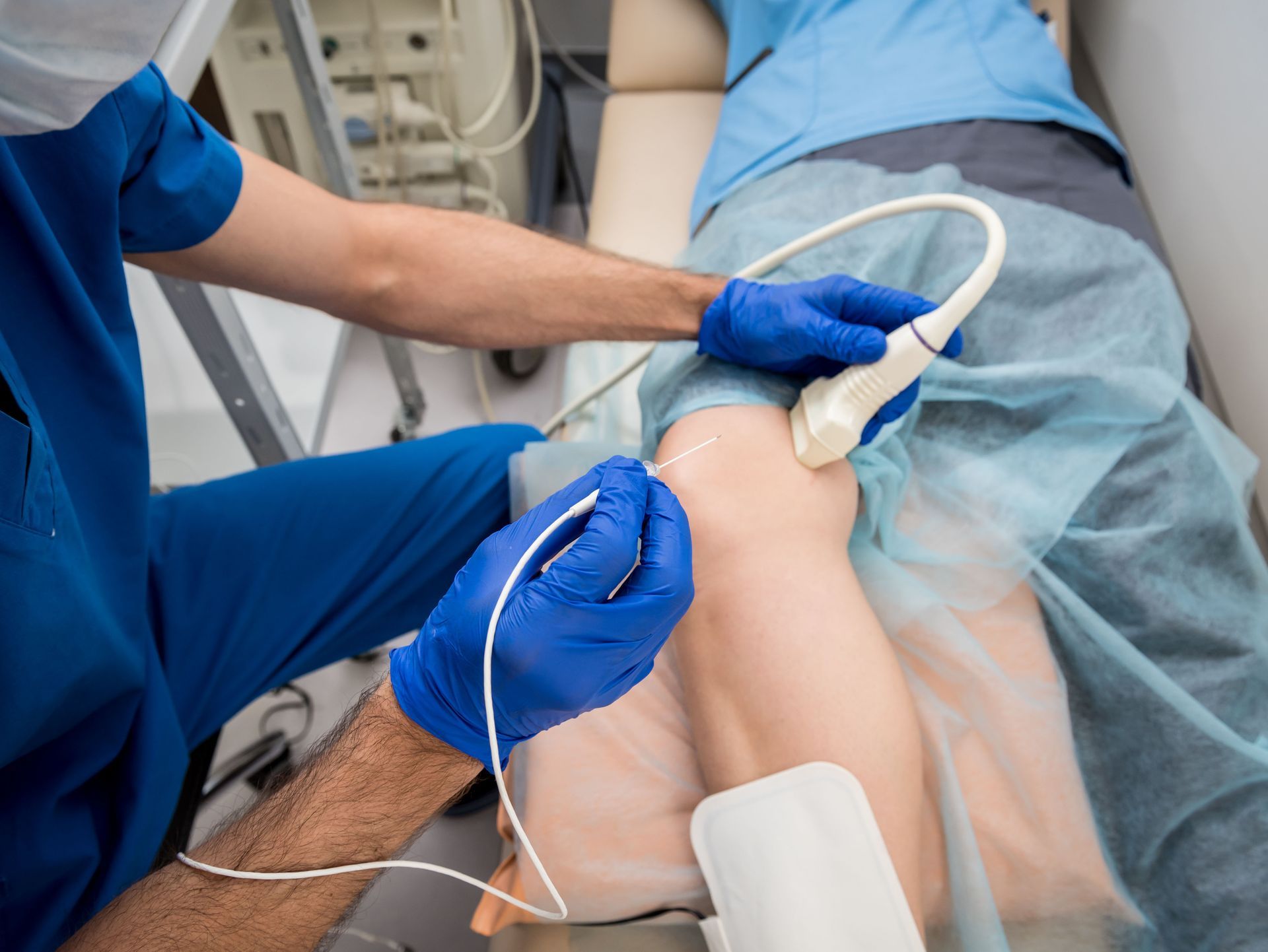
Consulting a vein specialist offers numerous advantages, particularly when symptoms begin to interfere with daily life. Specialists are trained to diagnose the underlying causes of varicose veins using advanced imaging techniques, such as ultrasound. This allows for a more accurate assessment and a personalized treatment plan tailored to your needs.
One of the primary benefits of seeing a specialist is access to modern, minimally invasive procedures. These vein treatments are designed to close or remove damaged veins while preserving healthy circulation. Compared to traditional surgical methods, these procedures often involve less discomfort, shorter recovery times, and minimal scarring.
In addition to medical intervention, specialists can provide guidance on lifestyle changes that support vein health. Recommendations may include exercise routines, compression therapy, and dietary adjustments that improve circulation and reduce symptoms. This holistic approach ensures that patients receive comprehensive care.
In many cases, people adapt to the discomfort of varicose veins without realizing how much it impacts their daily lives. Simple activities like walking, standing for extended periods, or even getting a good night’s rest can become increasingly difficult. Seeking guidance from a specialist not only addresses physical symptoms but also helps restore confidence and comfort, making it easier to stay active and engaged in everyday routines.
Ultimately, seeking professional help empowers patients to take control of their condition. Whether you are dealing with mild discomfort or more advanced symptoms, early consultation can lead to effective treatments that enhance both your health and confidence.
Varicose veins are more than just a cosmetic issue—they can be a sign of underlying vascular problems that require attention. Recognizing the early warning signs, understanding risk factors, and knowing when symptoms become serious are all crucial steps in determining when to seek specialized care. Delaying treatment can lead to complications, but timely intervention can make a significant difference in outcomes.
Taking a proactive approach to vein health can have lasting benefits beyond symptom relief. Addressing varicose veins early can improve circulation, reduce discomfort, and help prevent more serious complications down the road. With the availability of advanced care options, there’s no reason to continue living with avoidable pain—seeking expert advice is a practical step toward long-term wellness.
By consulting a vein specialist, patients gain access to accurate diagnoses, advanced procedures, and personalized care plans that address both symptoms and root causes. Modern vein treatments offer safe and effective solutions that can improve the quality of life and prevent future issues. If you are experiencing persistent discomfort or noticeable changes in your veins, taking action now can help you achieve better long-term health and well-being. Take the next step toward healthier, more comfortable legs by scheduling a consultation with Sun Vein & Vascular to explore advanced vein treatments tailored to your needs. Don’t wait for symptoms to worsen—expert care can help you feel and look your best.